Published work / STRATA
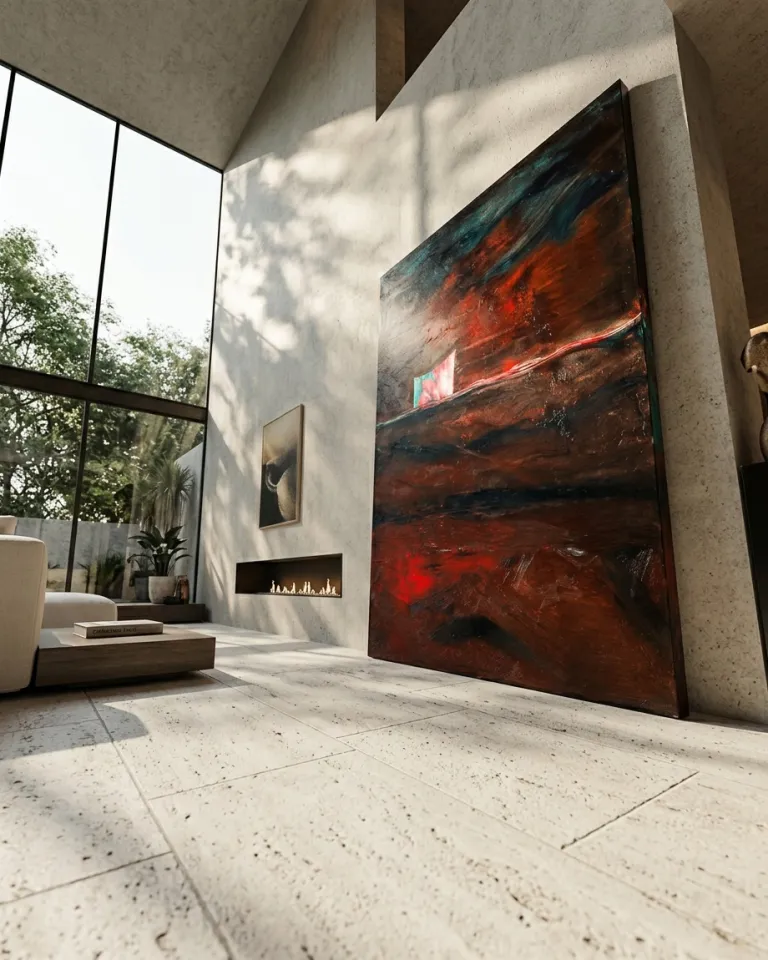
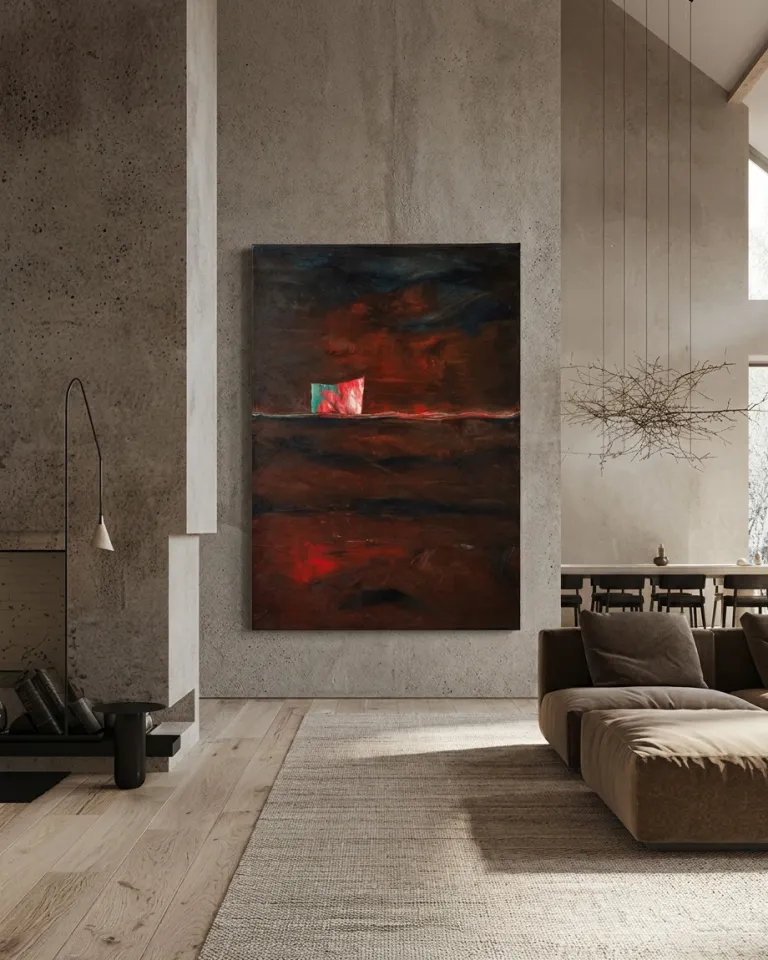
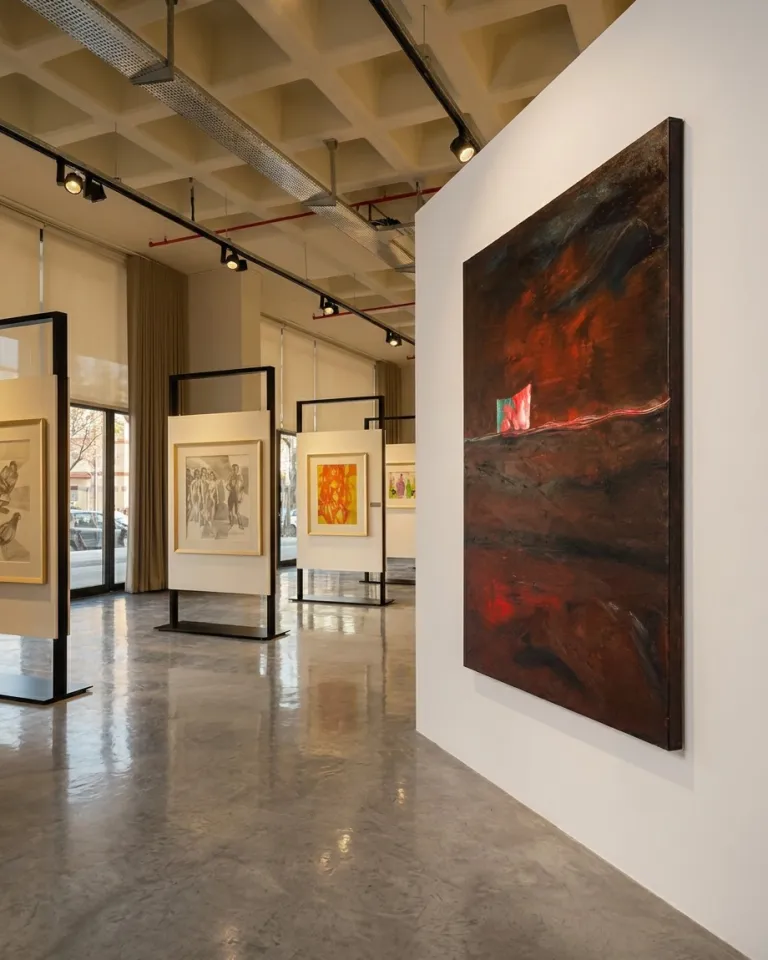
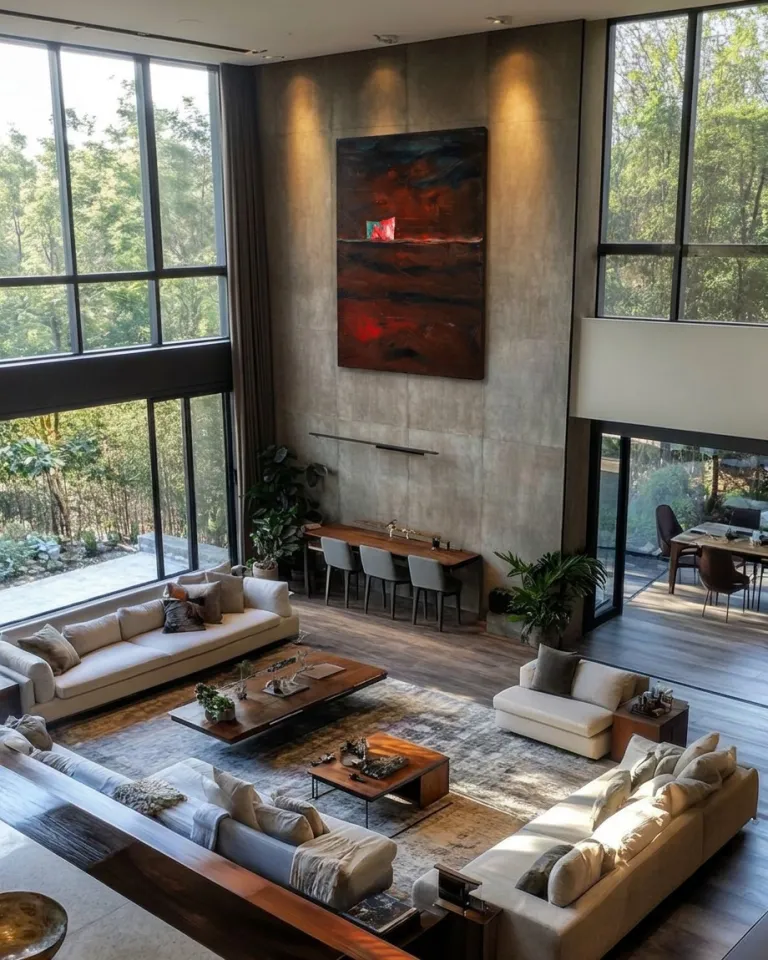
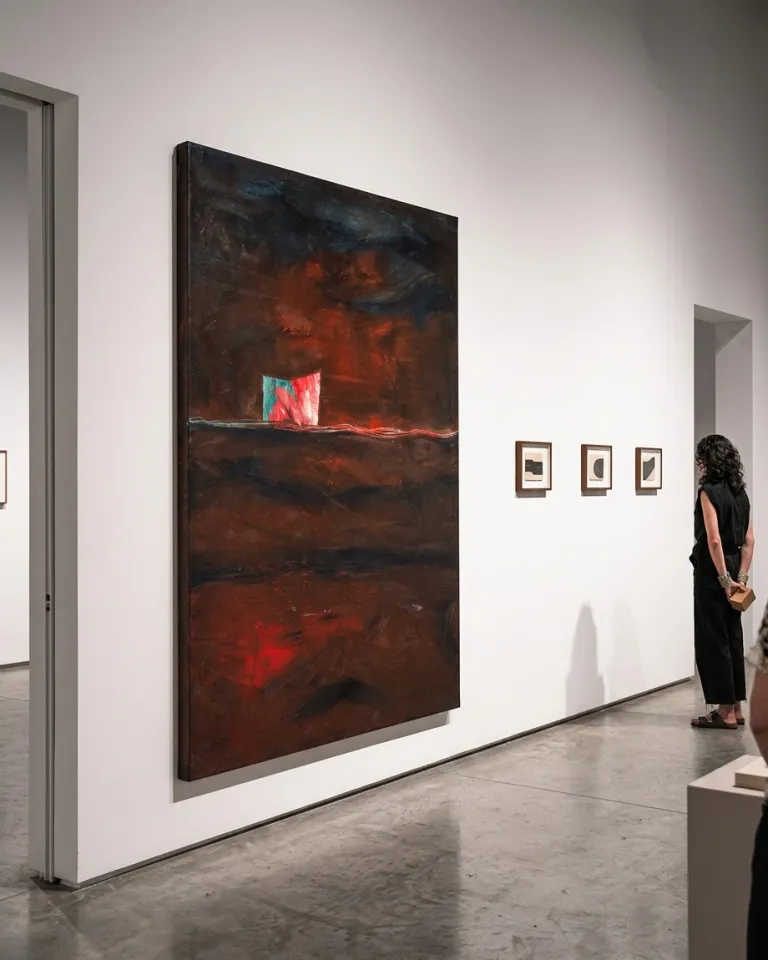
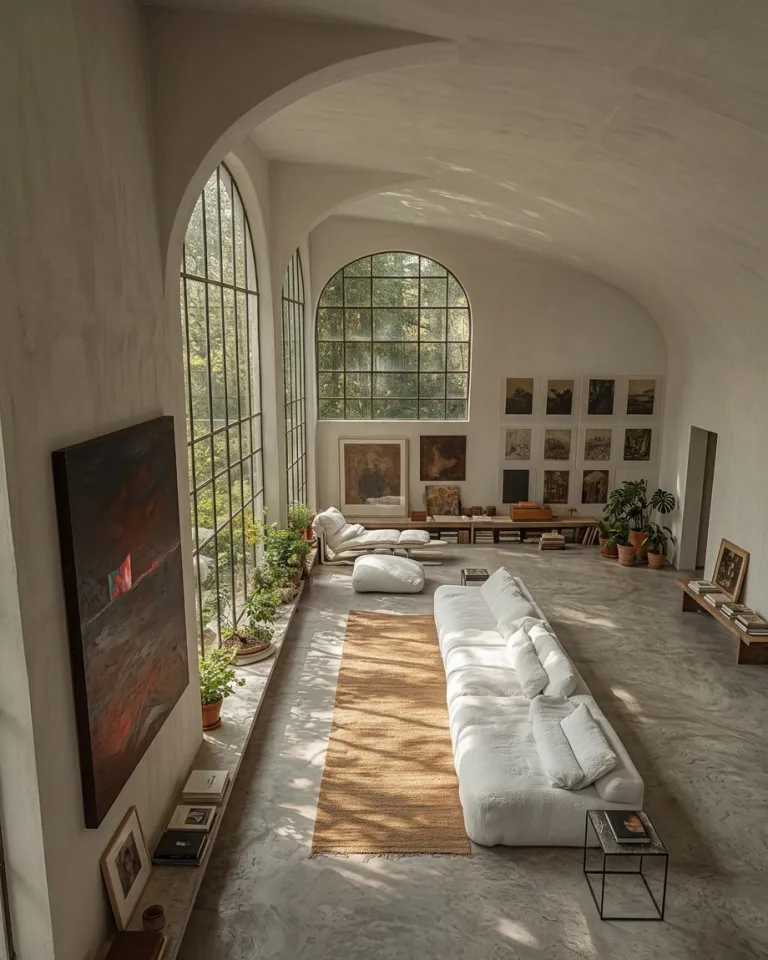
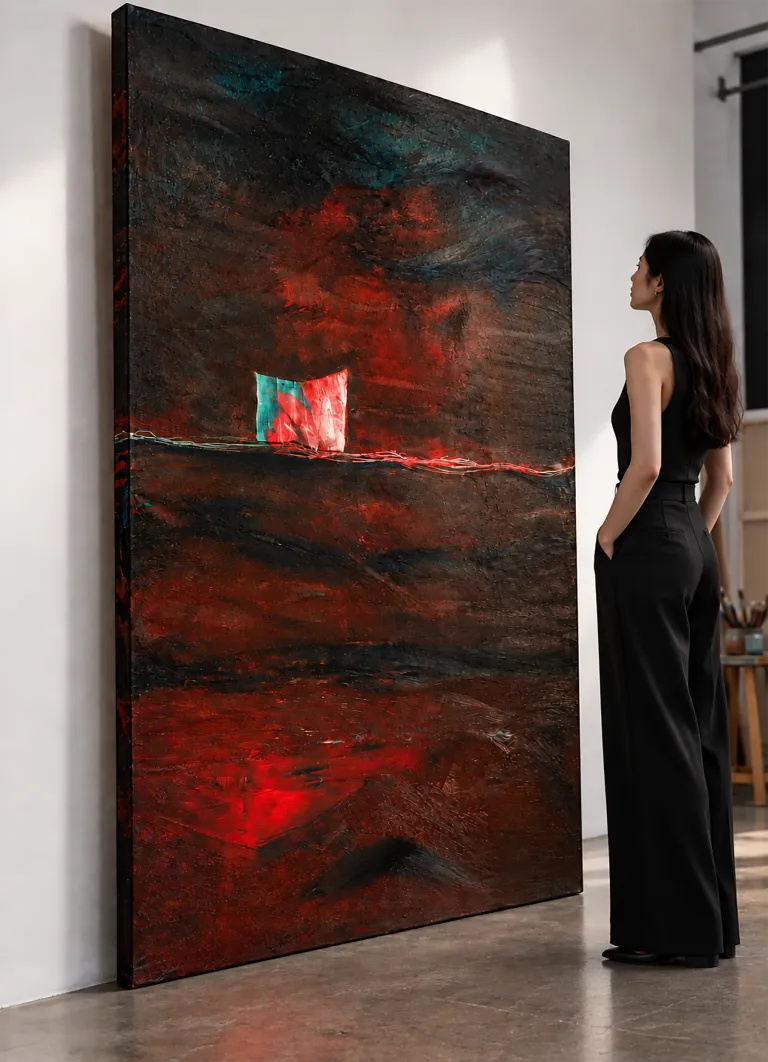
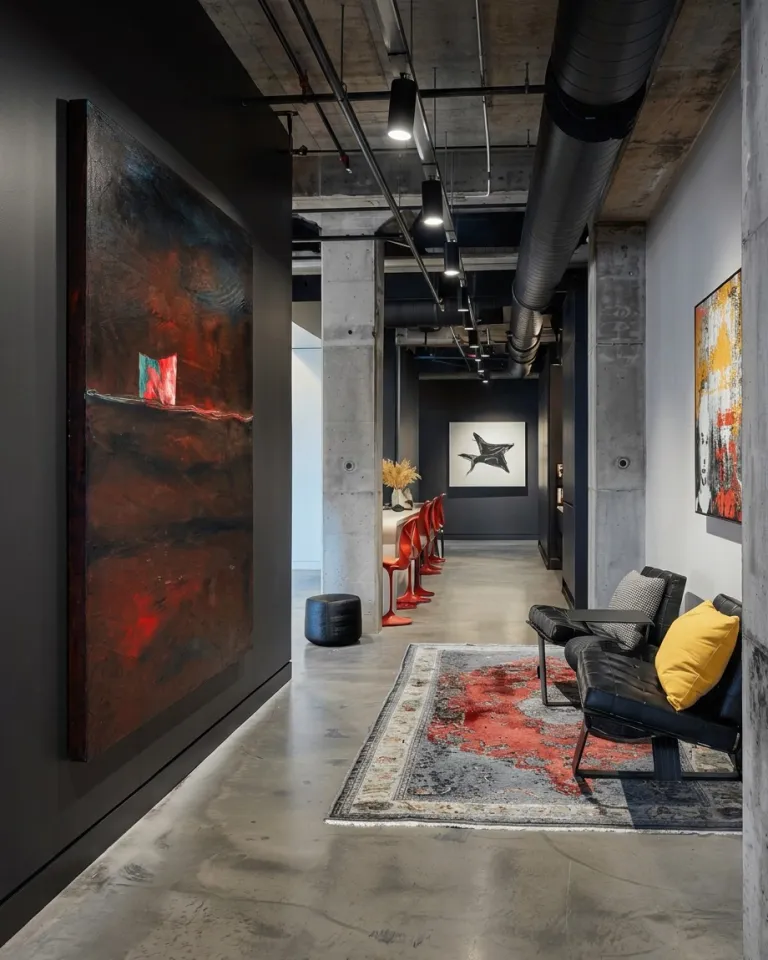
What the Night Left Burning
From the STRATA series
- Size
- 47.2 × 63 in / 120 × 160 cm
- Series
-
STRATA
 Painting series
STRATA
STRATA brings together abstract paintings in which the surface becomes a territory of pressure, cutting and duration. Amid dense chromatic fields, compact blocks and incisions, Maurizio Valch situates memory as a material trace rather than a decipherable narrative. View series
Painting series
STRATA
STRATA brings together abstract paintings in which the surface becomes a territory of pressure, cutting and duration. Amid dense chromatic fields, compact blocks and incisions, Maurizio Valch situates memory as a material trace rather than a decipherable narrative. View series
- Context studies
- 14
Conceptual Note
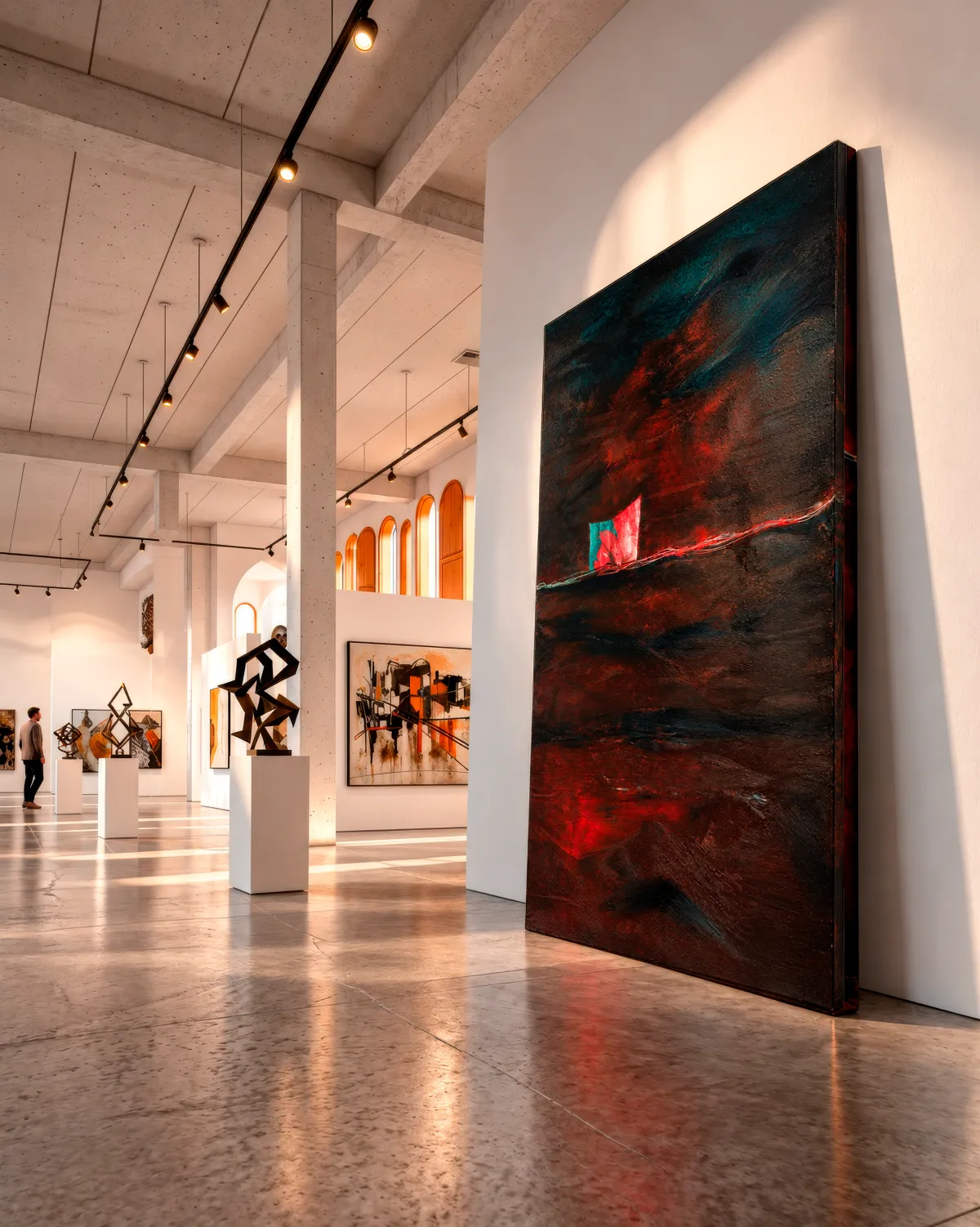
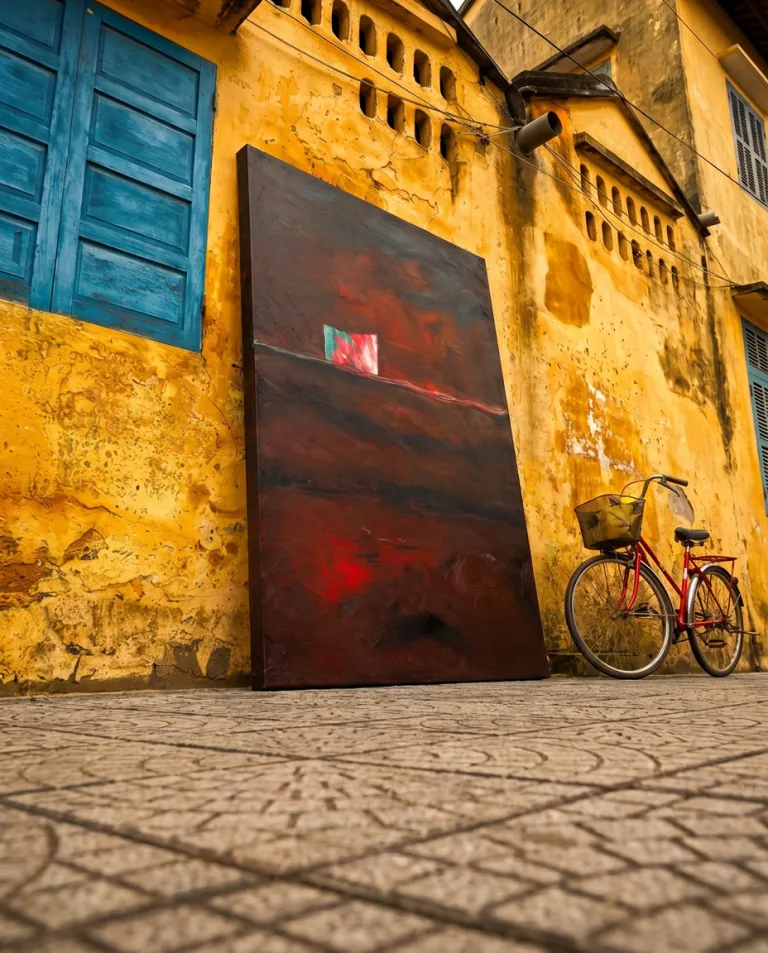
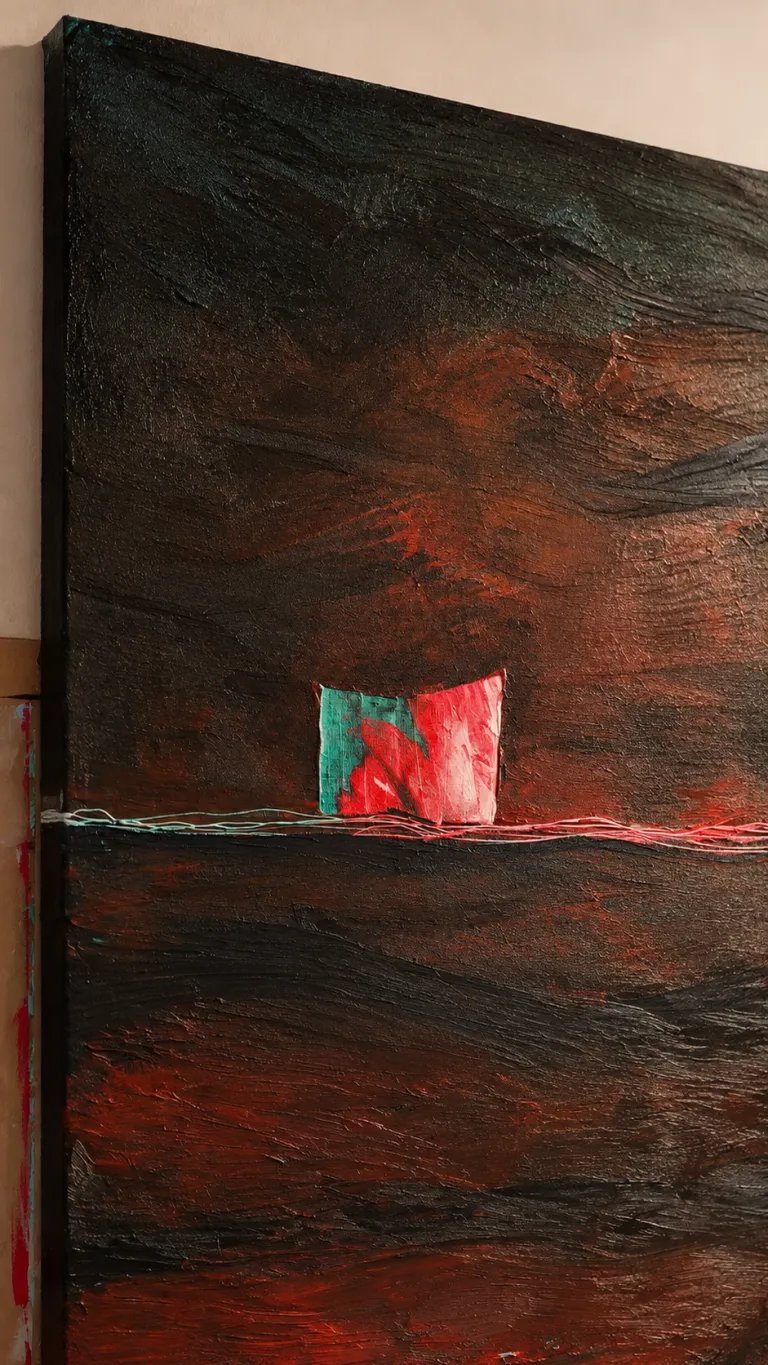
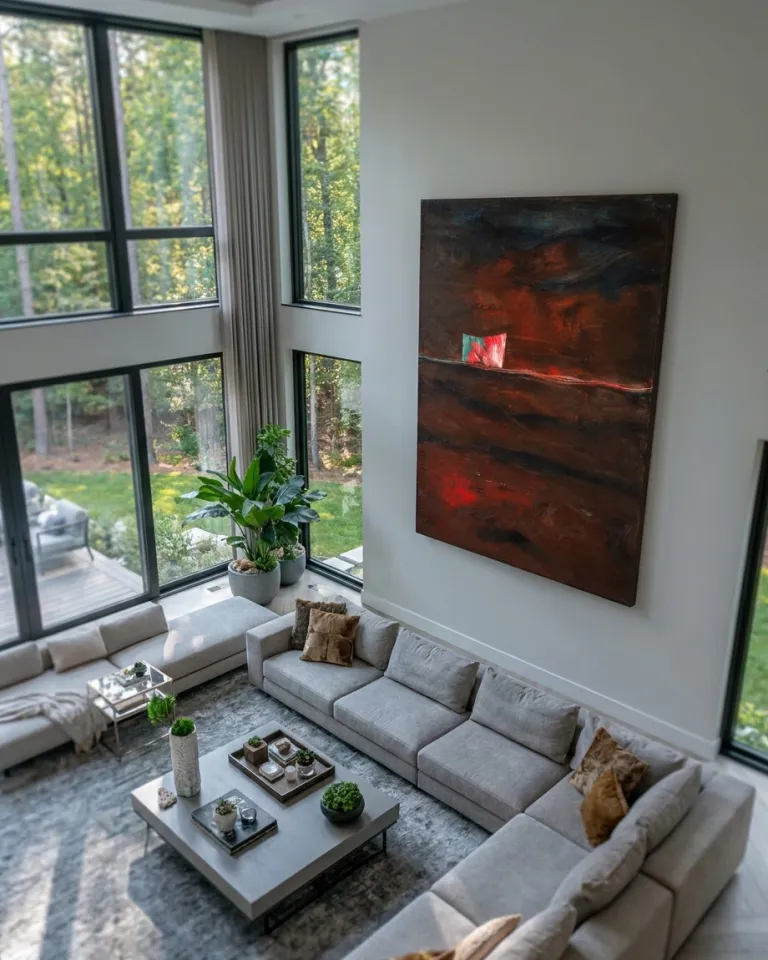
The gaze does not enter this canvas; it collapses into it. In the upper band of the painting, the air has turned solid—an atmosphere of pitch, Prussian blue, and dirty browns that weighs upon the viewer with the physical pressure of a contained storm. It is not an open night, but a sky that has run out of space, the suffocating density of the inside of an eyelid closing to avoid seeing the disaster. It is here that Galileo Galilei, the astronomer who challenged the limits of the visible by turning his telescope toward the unknown, would try in vain to apply his laws of perspective and distance. For the Pisan physicist, this void is not a simple absence of light, but an opaque matter that defies measurement: an abyss where the eye is forced to dilate to the point of pain, searching for a foothold in a frozen penumbra that descends from the canvas like cold, dense air pressing against the chest.
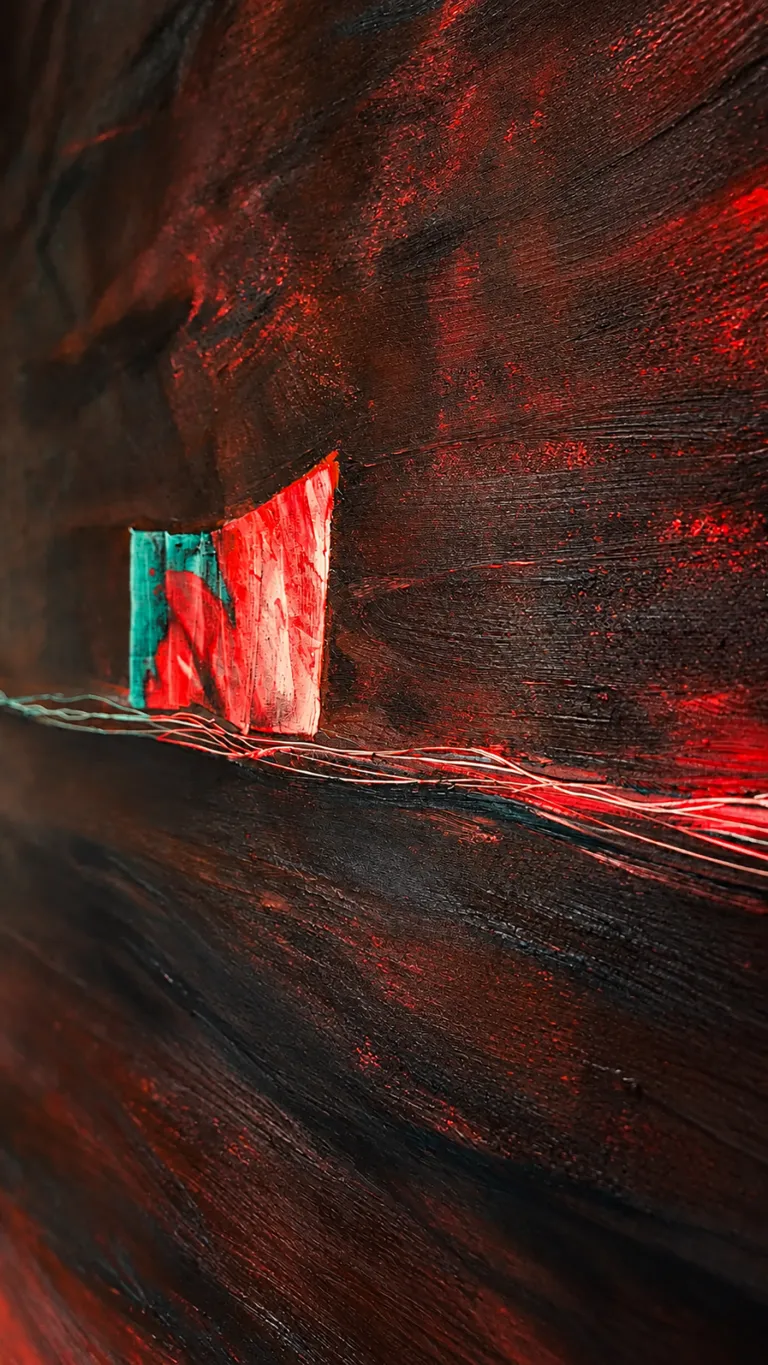
At first, I only wanted to capture the absolute silence of the studio during the dead hours, but the matter began to rebel against my hands. The dark oil felt heavy, thick like mud, and the palette knife dragged the layers of blue and black with an almost physical resistance, as if I were digging into the memory of an old wall. In the midst of that struggle against opacity, the painting itself seemed to demand a way out; an accidental scrape opened a crack, and suddenly I knew that beneath the penumbra beat a warmth I hadn't planned, a latent fire claiming its own space on the canvas.
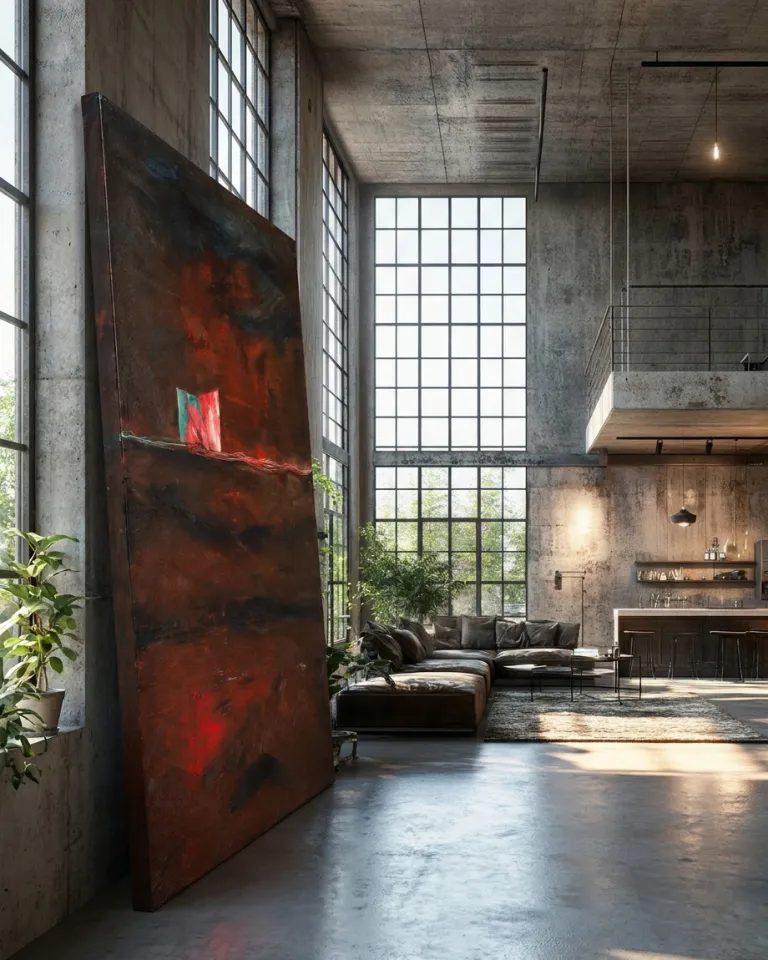
Descending through this wall of shadows, the verticality is abruptly interrupted by an incision line, a threshold where the laws of gravity seem suspended. Floating there is a geometric anomaly, a bicolor block divided between a frozen turquoise and an incandescent red. Galileo would lean over this boundary, fascinated by the refraction of this impossible light that seems to spring from itself, trying to decipher whether it is an optical prism or a star captured on an artificial horizon. Yet, faced with the same object, the gaze is completely transformed when met with the sensibility of Wangari Maathai, the Kenyan biologist and activist who taught us to read the scars of the earth as living memories of resistance. For her, that shape is neither a mathematical abstraction nor a mystery of physics; it is the bleeding stump of a sacred tree, the last vestige of a cleared forest that refuses to turn into silent ash. A child, indifferent to these complexities, would see in that same block a solitary house burning in the middle of the night plain, or perhaps a forgotten lantern whose filament remains lit, resisting the tide of darkness.
I hear Galileo trying to measure the optical coordinates of that floating light, and Wangari searching in it for the wound of a devastated territory, and I realize that both touch a truth that eludes me. When I painted that bicolor block, I wasn't looking for a symbol, but for a vibration that would cut through the coldness of the canvas; now I know that this object does not belong to me, and that it conceals a secret I am unable to decipher myself. The work has ceased to be a flat plane of oil and has become an autonomous place, a frontier that continues to burn in the silence of the room, asking for no permission and offering no explanations.
Further down, the painting crumbles into the ashen ground. The lower third of the canvas is an expanse of rough brushstrokes, a mud of reddish and dark tones suggesting organic matter after the fire, earth that has drunk the heat of the disaster. This is the zone where Wangari's gaze finds its true home, searching through the crust of paint for traces of surviving roots. Here, a reflection of fire seems to spring from the depths of the subsoil, like an ember beating beneath wet peat, resisting extinction. There is no clear resolution at this base; the painting offers neither the redemption of an extinguished bonfire nor the comfort of a new spring. It leaves us suspended over this wounded soil, contemplating that subterranean glow, not knowing if it is dying out for good or if, on the contrary, it is gathering the strength needed to ignite the night once again.