Published work / INCARNATE
Spinoza's Lens
Portraiture as the manifestation of an existence without likeness
- Size
- 31.5 × 47.2 in / 80 × 120 cm
- Series
-
INCARNATE
 Painting series
INCARNATE
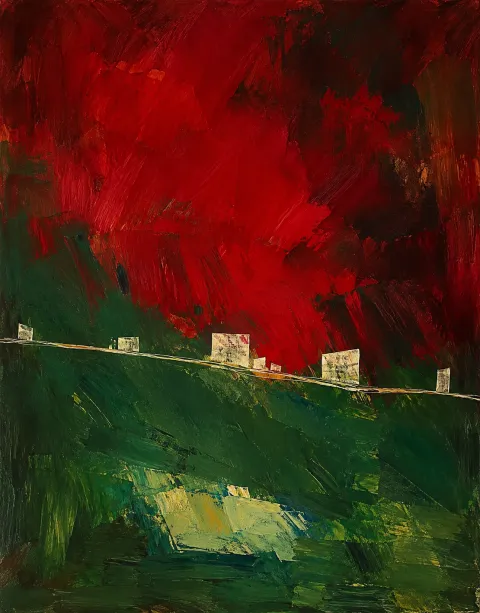
In INCARNATE, Maurizio Valch rethinks the boundaries of representation through layered surfaces, blocks of color, and physical incisions that reject biographical illustration to embody the multiplicity of existence. View series
- Context studies
- 13
Conceptual Note
Fragment 1: The Scale of the Territory
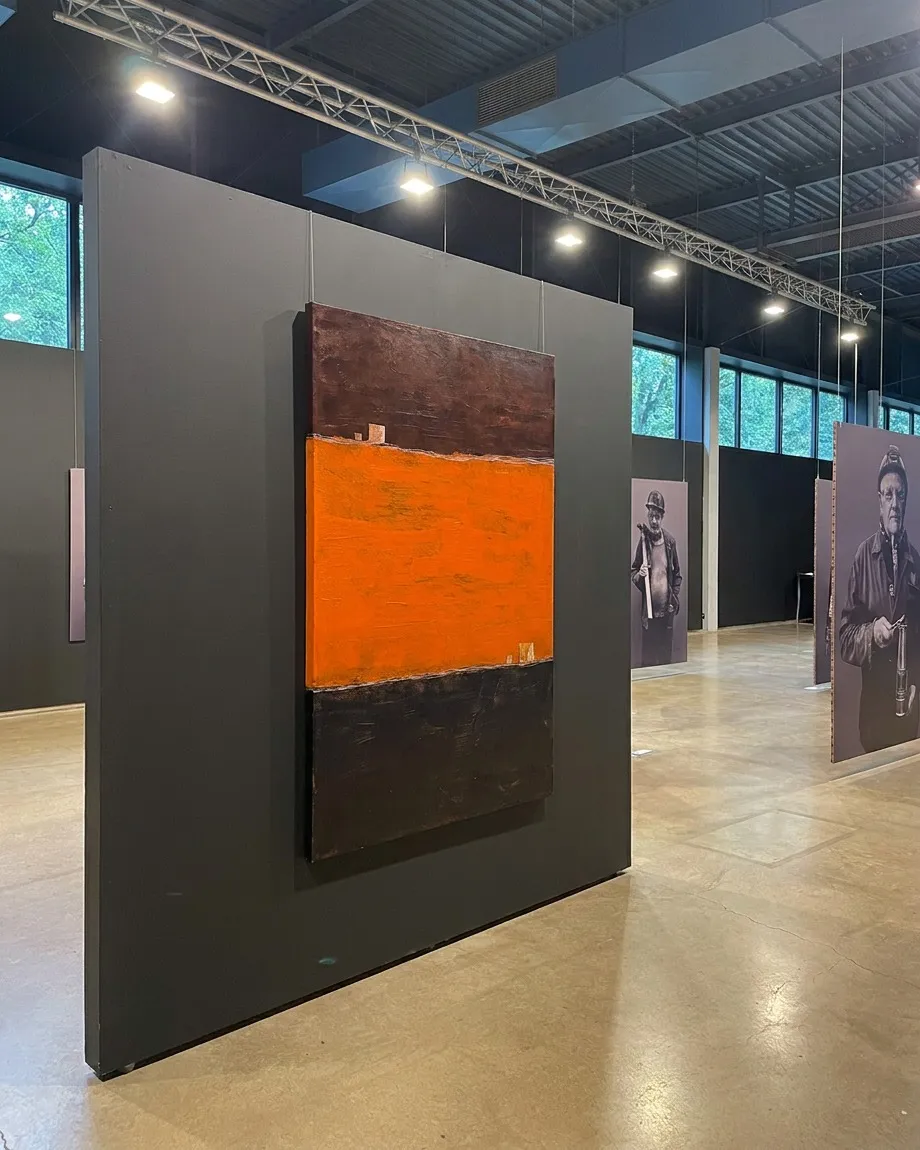
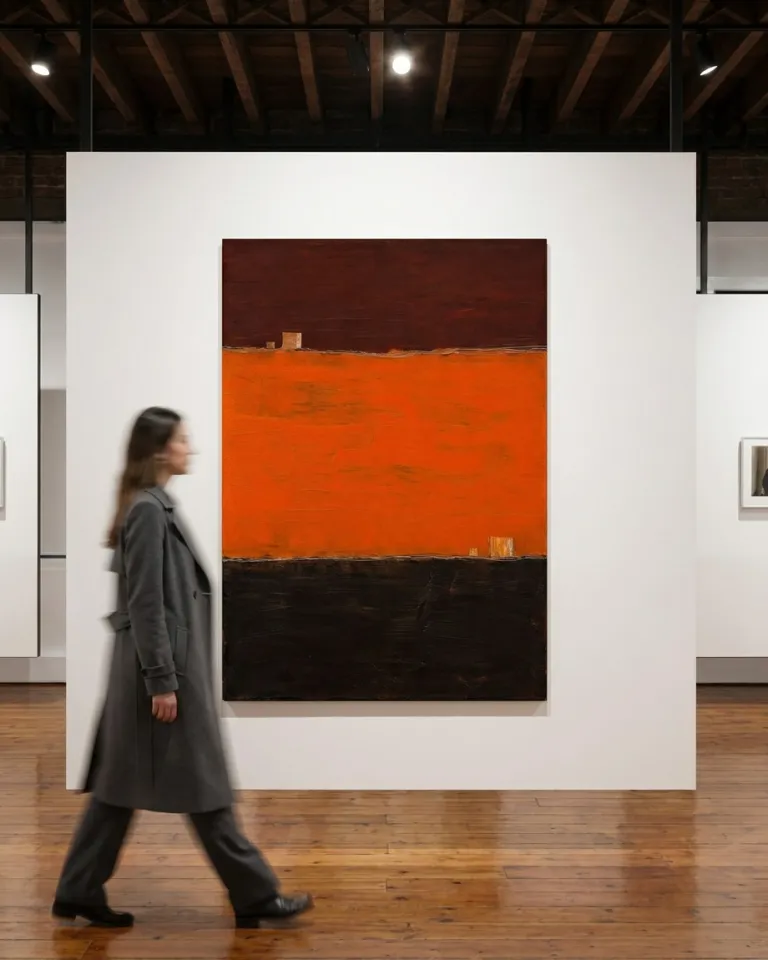
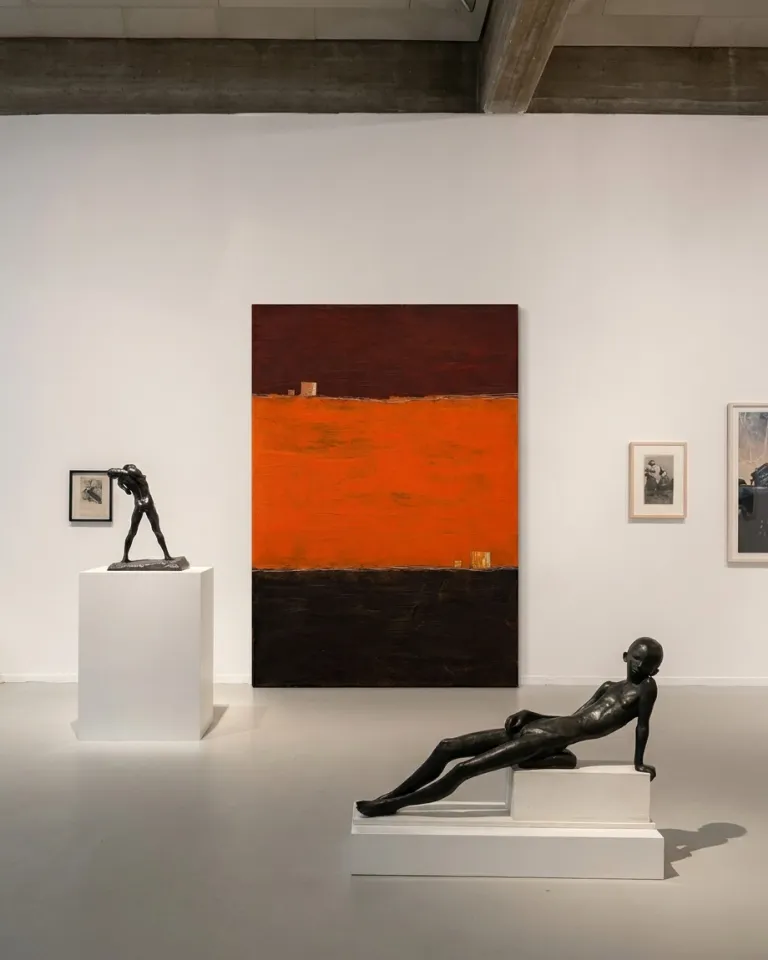
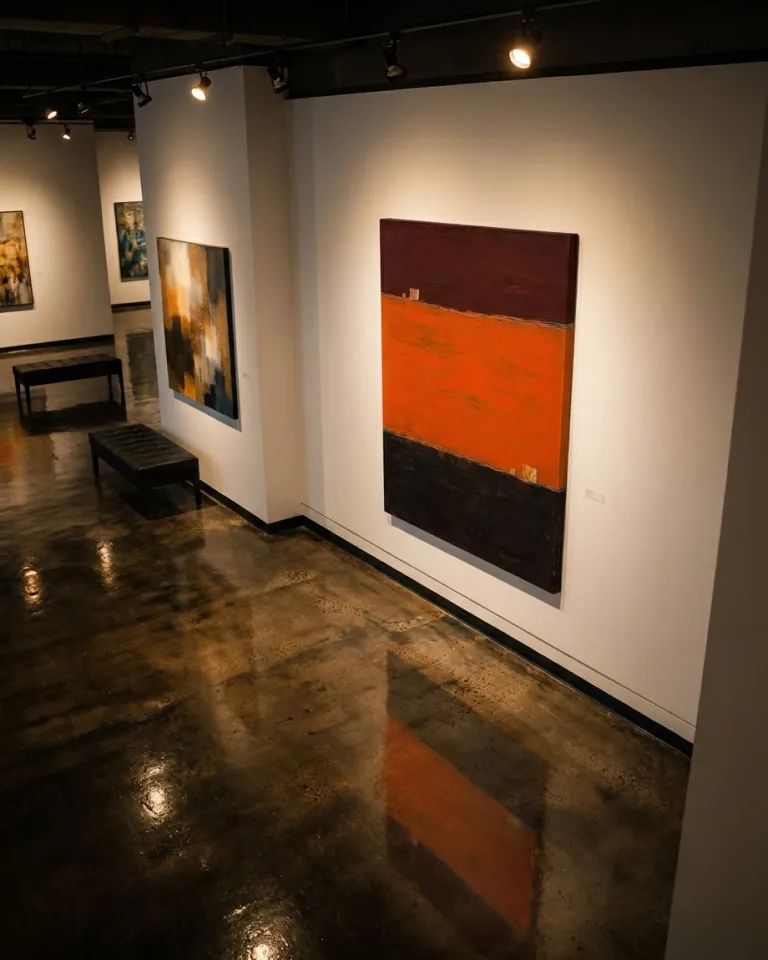
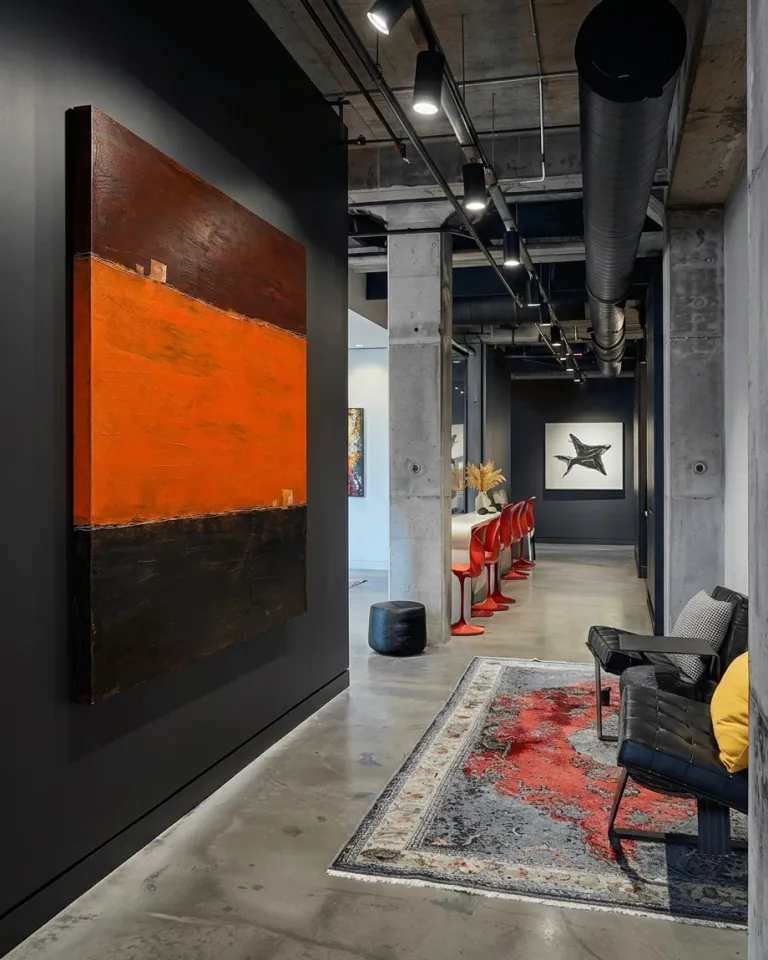
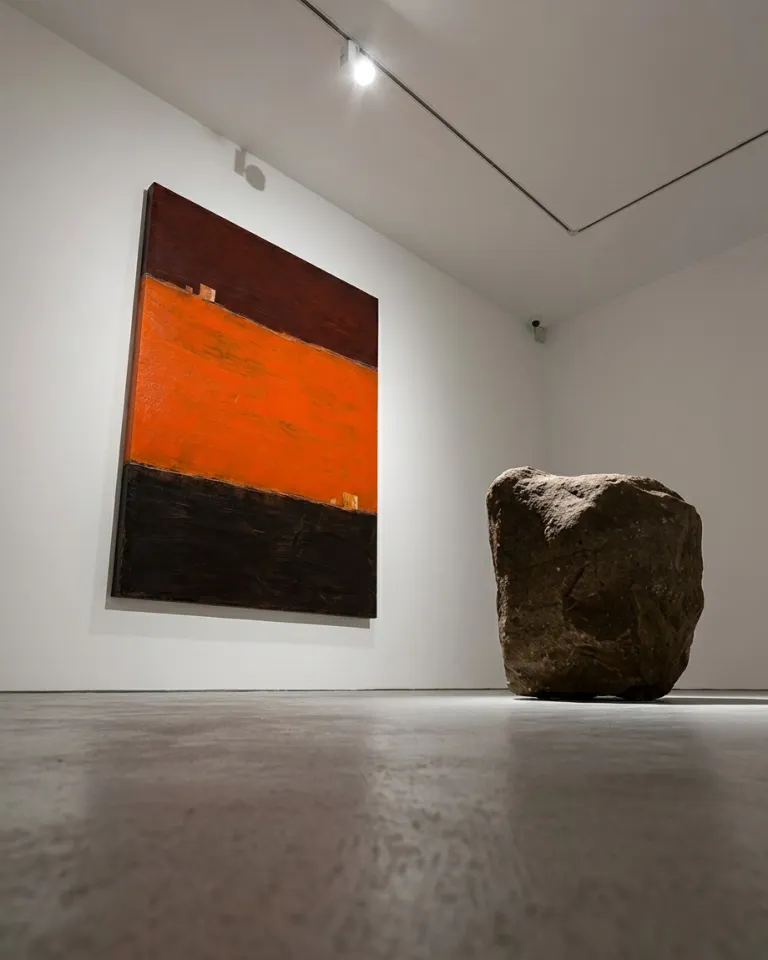
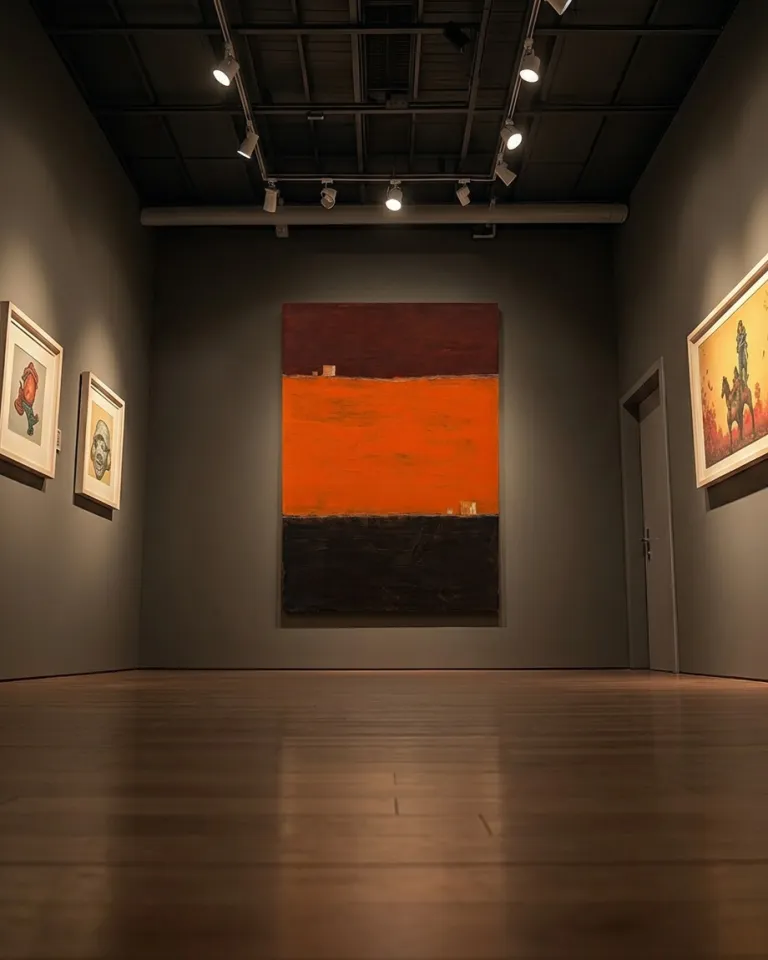
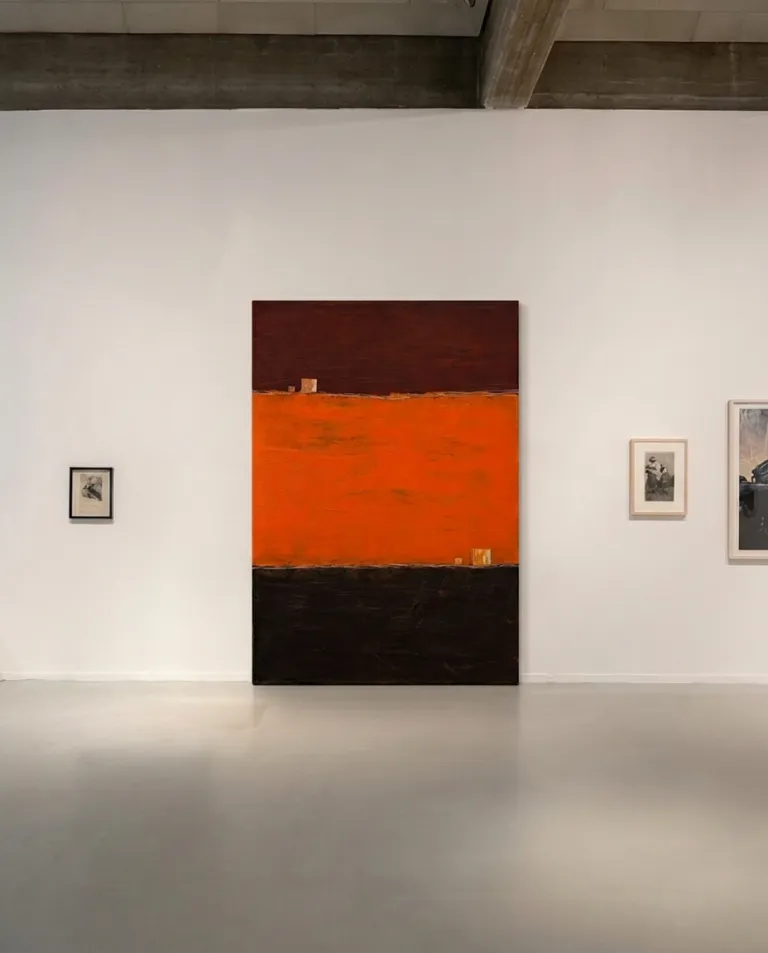
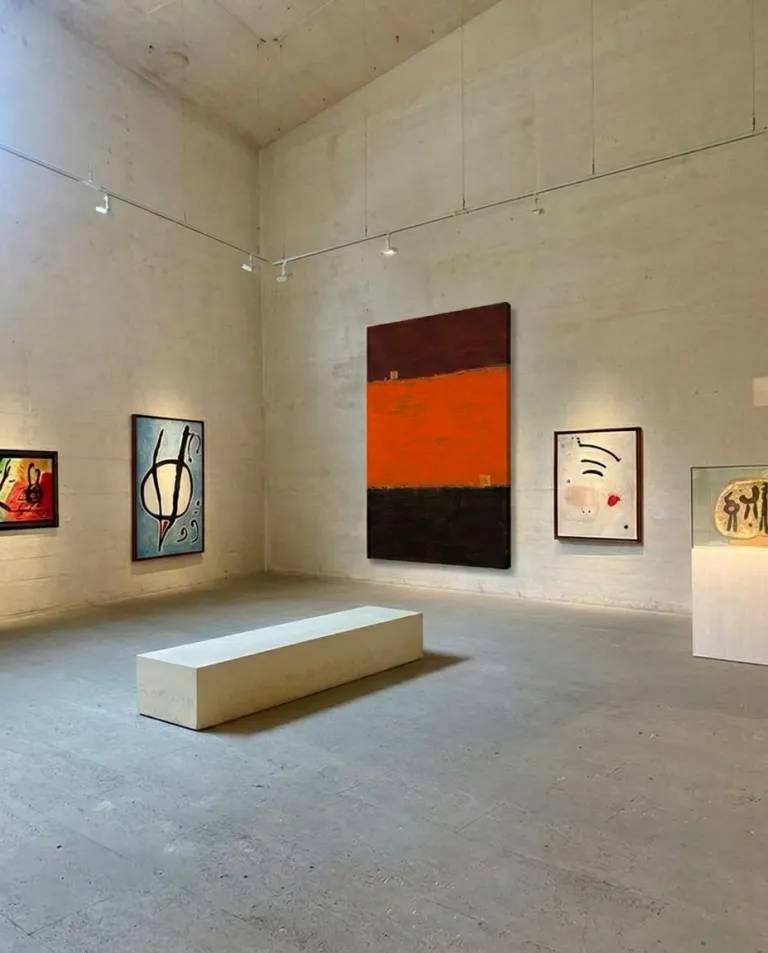
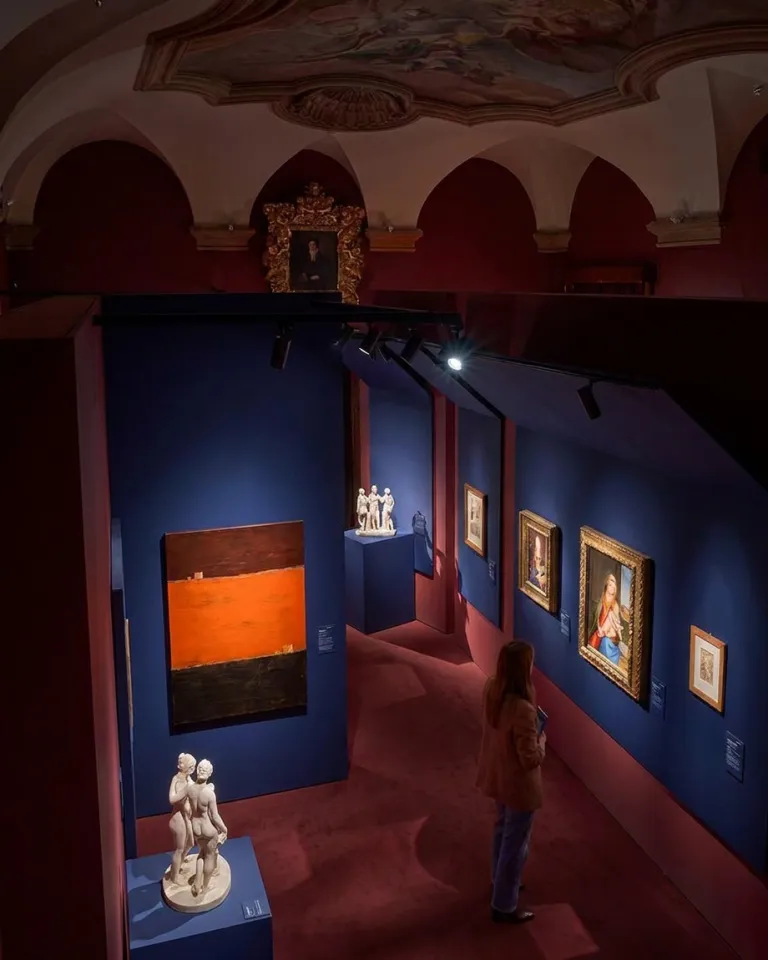
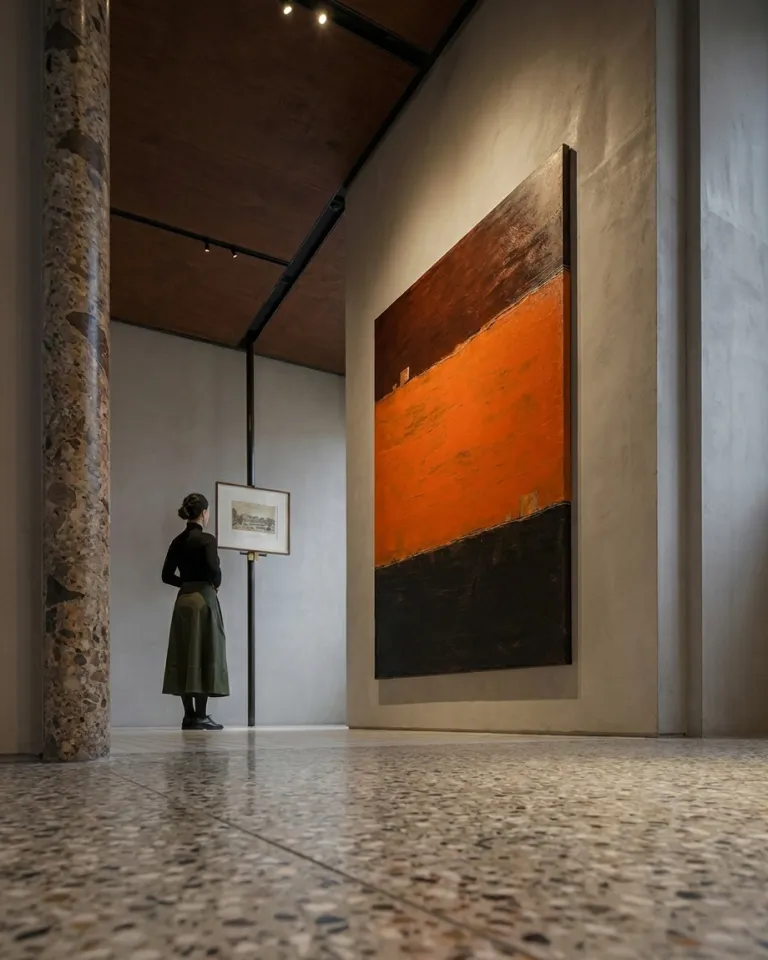
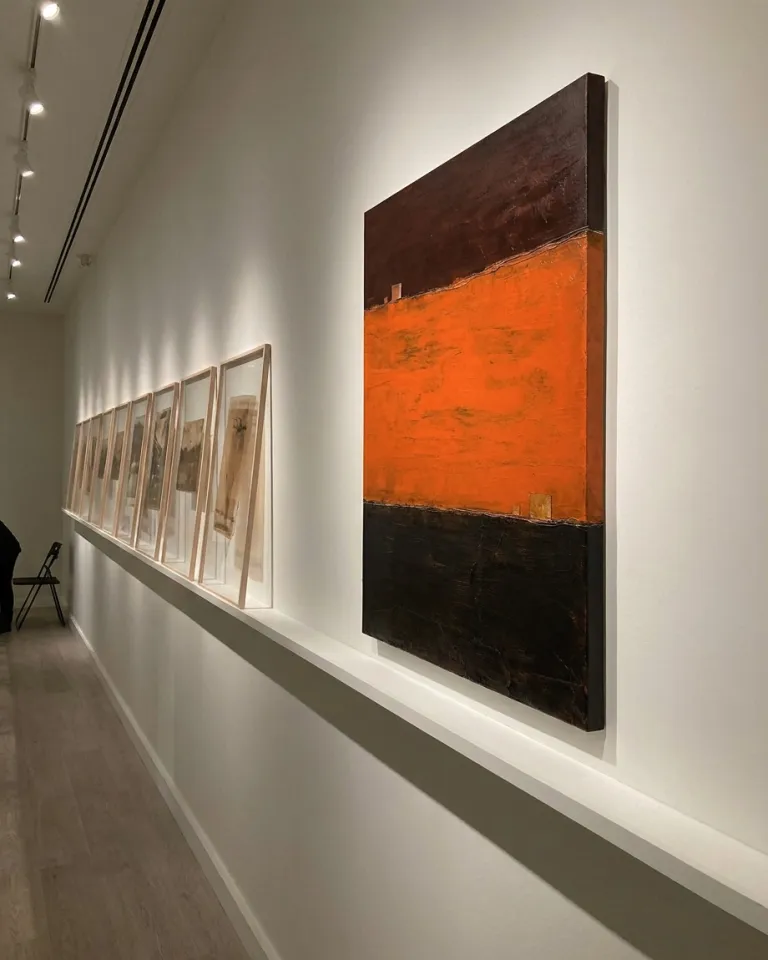
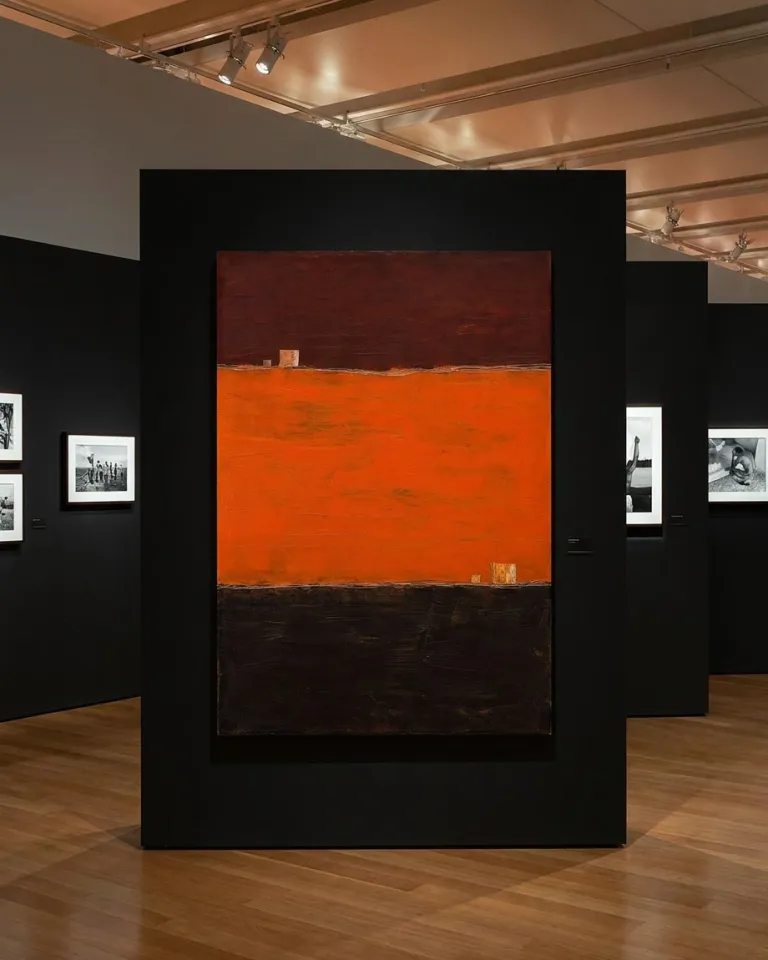
Faced with a verticality of 160 centimeters, space is divided into three realms of pure matter: a reddish-brown that gravitates with nocturnal weight at the top, a central plain of a rough and burning orange, and a lower abyss of scraped black. Upon this plane of geological tensions, two men stand—not seeking to decipher, but to attune to the invisible. Mencius, a classical Chinese philosopher who defended the innate goodness of the human heart, comparing our natural tendency toward compassion with the force of water that always seeks the downward path, observes the incised lines and furrows his brow. He wonders if the order of the strata is correct: why does the dark density of the brown float above, like a cloud of suspended clay, instead of descending and nourishing the base? Beside him, Guru Nanak, a mystic and founder of Sikhism who sang of the immanent unity of the cosmos and the dissolution of the ego through silent, imageless devotion, sees no divisions, but a continuity forced to vibrate at different frequencies. For him, the four small blocks resting upon the canvas's scars are not distant monuments in an infinite territory, but the only physical marks preventing the universe from unifying in a single breath of color.
Fragment 2: The Return to Occupied Ground
The palette knife does not merely deposit; it also interrogates and destroys. When confronting the lower band of this canvas, I felt the physical need to wound the matter. Scraping the black oil paint when it has not yet fully dried is an act of involuntary archaeology: the metal blade drags the dense layer and brings to light grooves and nuances of a background that I myself had already forgotten having painted. Looking at that central orange, which vibrates with the roughness of a wall exposed to the elements, I wonder if it is a light pushing from the back of the fabric or a dry burn in the crust of my own memory. In the end, one retreats from the stretcher with hands dirty with pigment and the certainty that the painting knows something I do not know. The painting seems to keep a story that not even its author fully knows.
Fragment 3: The Examination of the Sprout and the Wall
The distance shrinks, and the painting's four blocks lose their status as geographical landmarks. They now reveal themselves as the way a belief hardens in the human brain; crusts of thought resisting dissolution in the flow of experience. Mencius leans toward the incisions, seeking a direction in the terrain: “Do you see these small reliefs?”, he murmurs, “they are like the sprouts of our essential nature (xin). They attempt to emerge from the black mud and the orange fire, but they have become rigid, like stones obstructing the course of pure water.” Guru Nanak shakes his head gently, almost touching the scar cutting through the canvas: “They do not obstruct, Mencius. They are sutures. Where the painter wounded the fabric with the blade, the mystery of the indivisible becomes visible at the very edge of the abyss. Those blocks hold the wound open so we can hear the unpulsed sound beating in the silence of the black below.”
Fragment 4: The Refracting Body
The viewer's gaze experiences a physical fatigue when trying to leap over the border between the incandescent orange and the upper brown. The diaphragm contracts. There are no gentle transitions in these 120 hectares of canvas on a reduced scale; there is a tactile clash between the dryness of the acrylic and the oiliness of the oil paint on a three-centimeter deep profile that casts its own shadow on the wall. Faced with this scale, Mencius's ethical certainties about natural benevolence and Guru Nanak's songs of ego-dissolution clash against a monumental resistance. The painting refuses to be consoling. It is a cold object, a diffraction device where pain, beauty, and inert matter occupy the same plane without apologizing or offering explanations.
Fragment 5: The Forgetting of the Image
When the workshop light goes out and only the murmur of the dogs in the garden or the creaking of the cooling wood remains, the painting ceases to be an image and becomes an object breathing in the dark. At this terminal distance, the blocks are no longer mountains or dogmas: are barely two grains of sand rubbing against the cornea of an eye that blinks before surrendering to sleep. Is Spinoza's Lens the portrait of a gaze I once held, or the map of a self that has already disintegrated into the air? It does not matter. In the end, art is not a tool to accumulate answers, but the realization that the multiplicity of the world does not need to be explained or possessed to be alive. It is, simply, an open door to love that demands nothing in return.