

Published work / STRATA
TESSERA
From the STRATA series
- Size
- 31.5 × 47.2 in / 80 × 120 cm
- Series
-
STRATA
 Painting series
STRATA
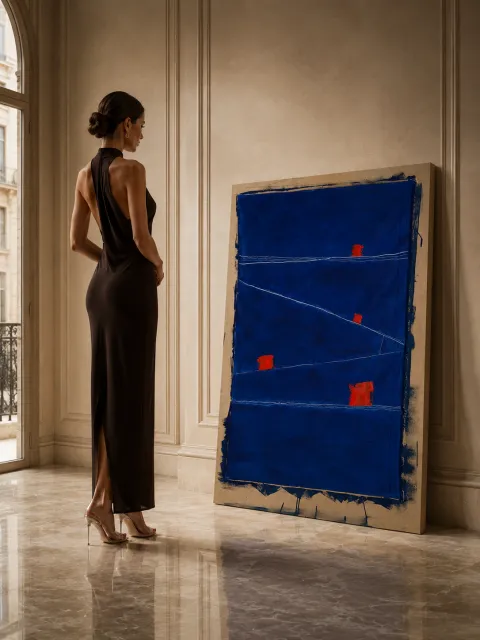
STRATA brings together abstract paintings in which the surface becomes a territory of pressure, cutting and duration. Amid dense chromatic fields, compact blocks and incisions, Maurizio Valch situates memory as a material trace rather than a decipherable narrative. View series
Painting series
STRATA
STRATA brings together abstract paintings in which the surface becomes a territory of pressure, cutting and duration. Amid dense chromatic fields, compact blocks and incisions, Maurizio Valch situates memory as a material trace rather than a decipherable narrative. View series
- Context studies
- 12
Conceptual Note
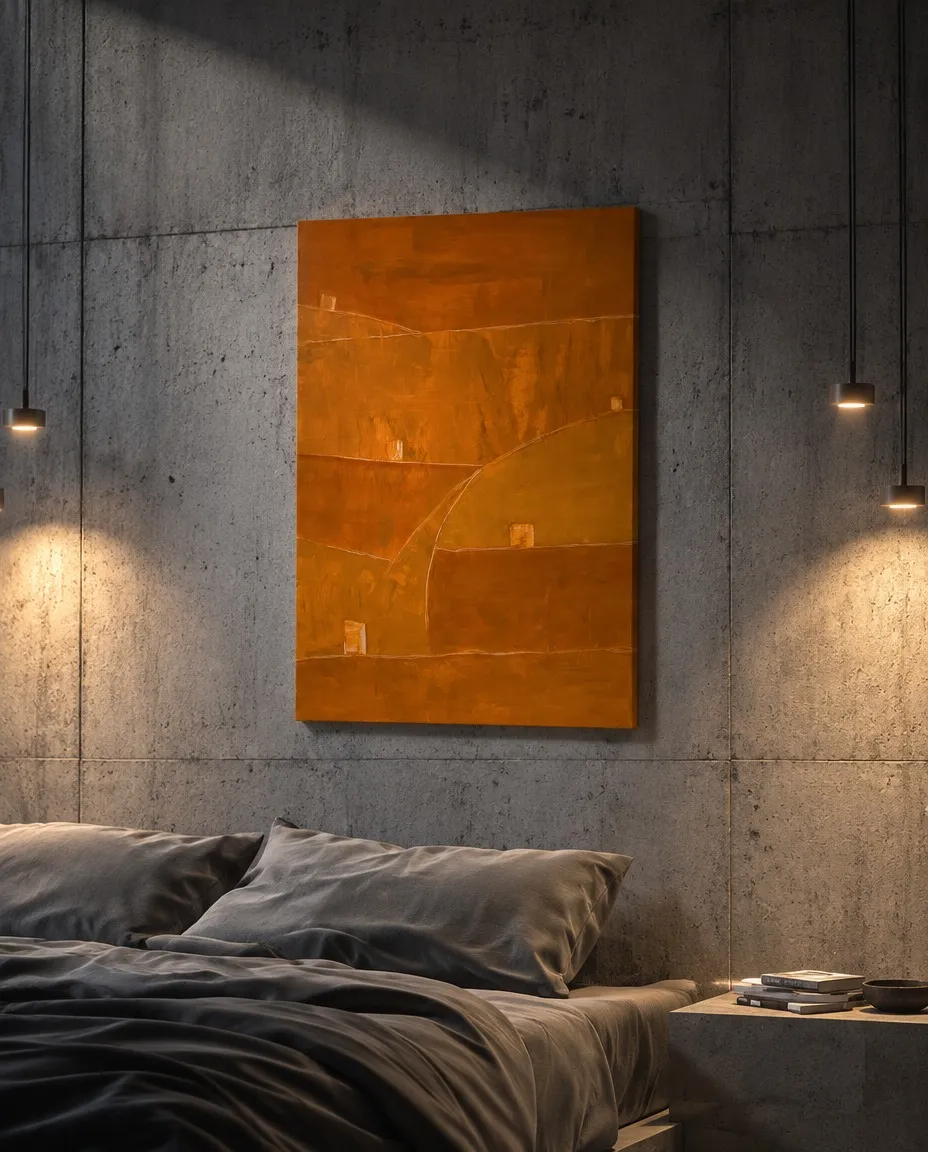
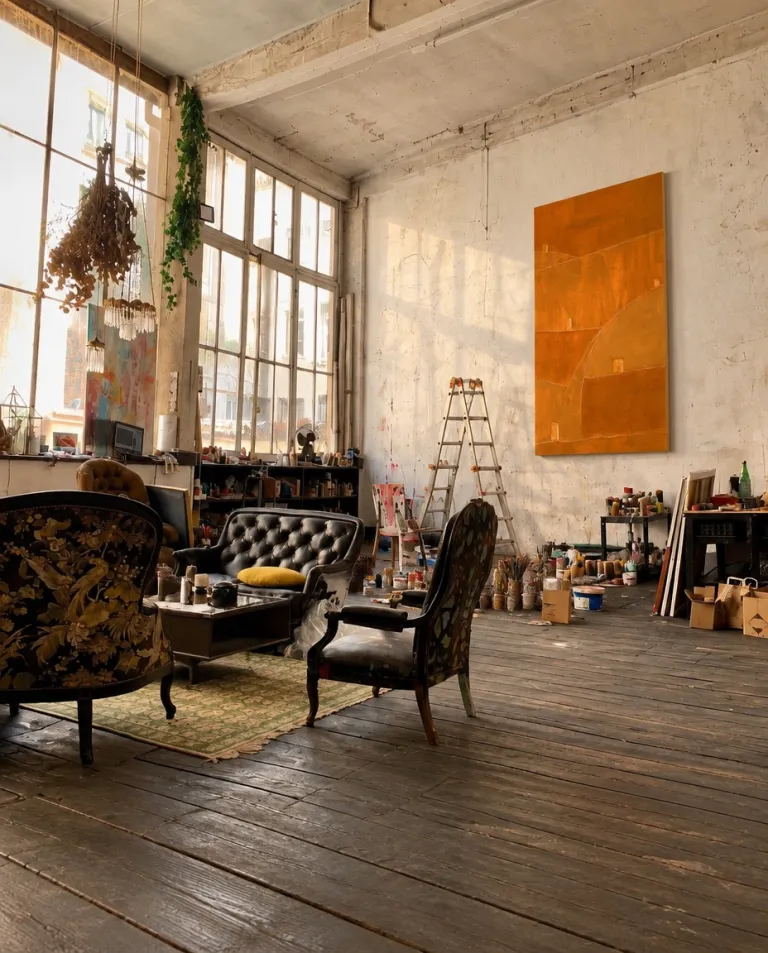
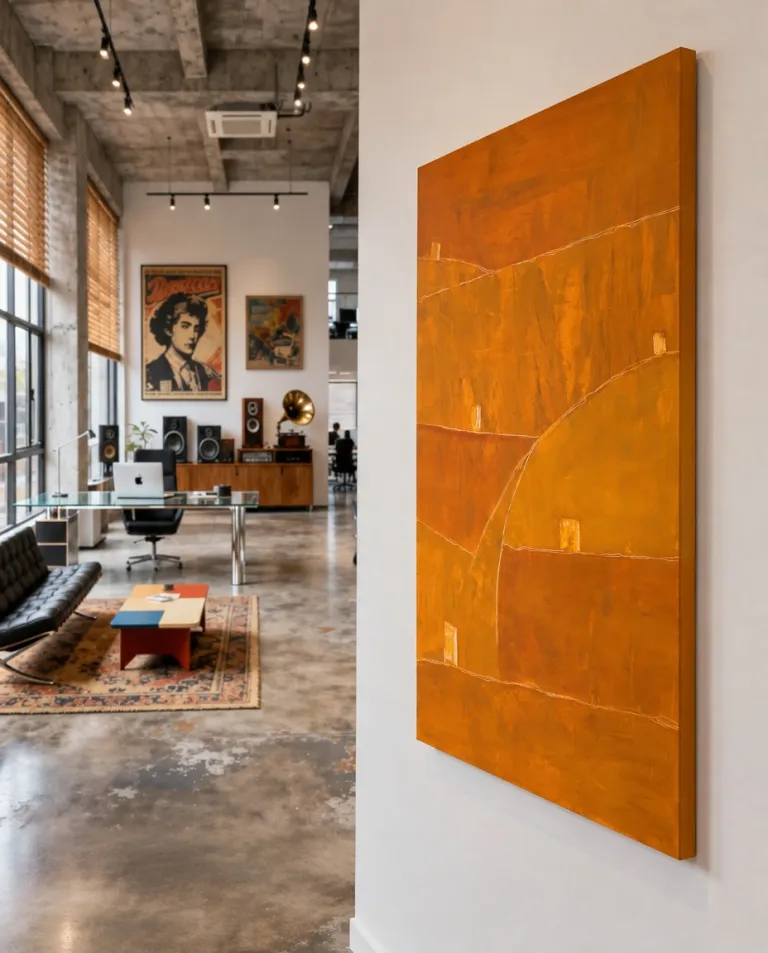
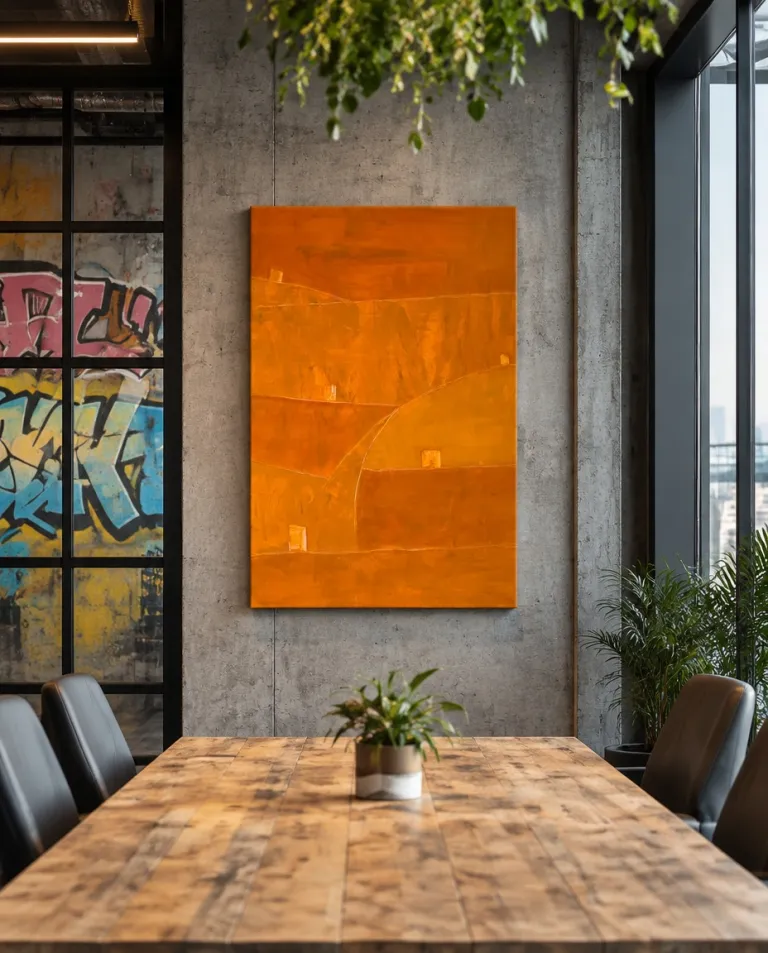
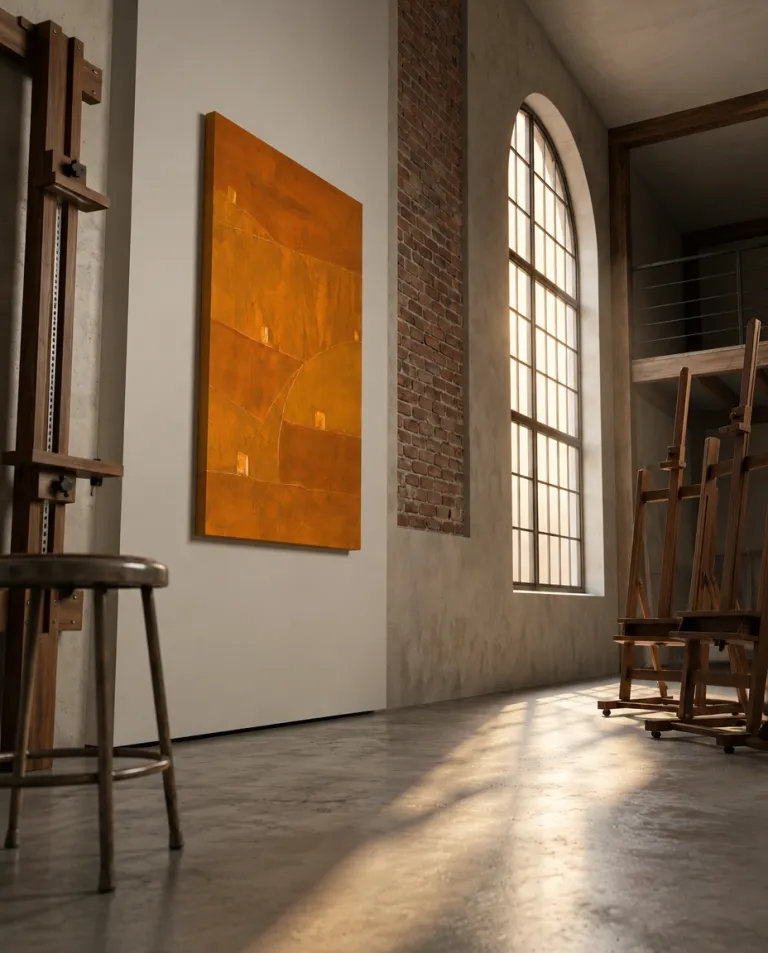
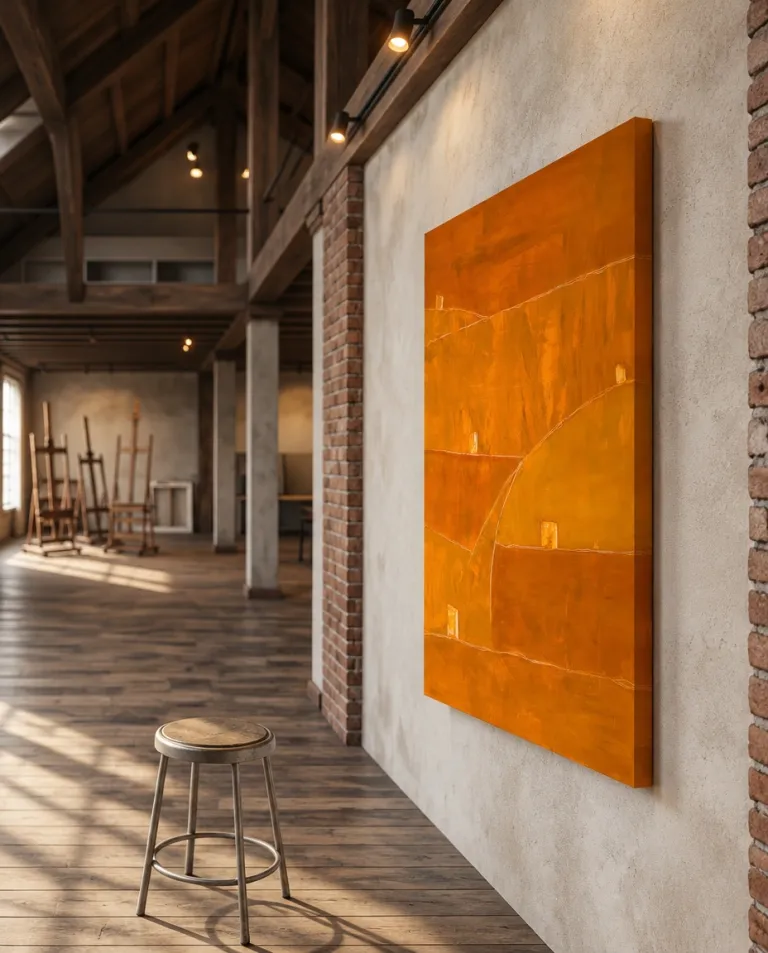
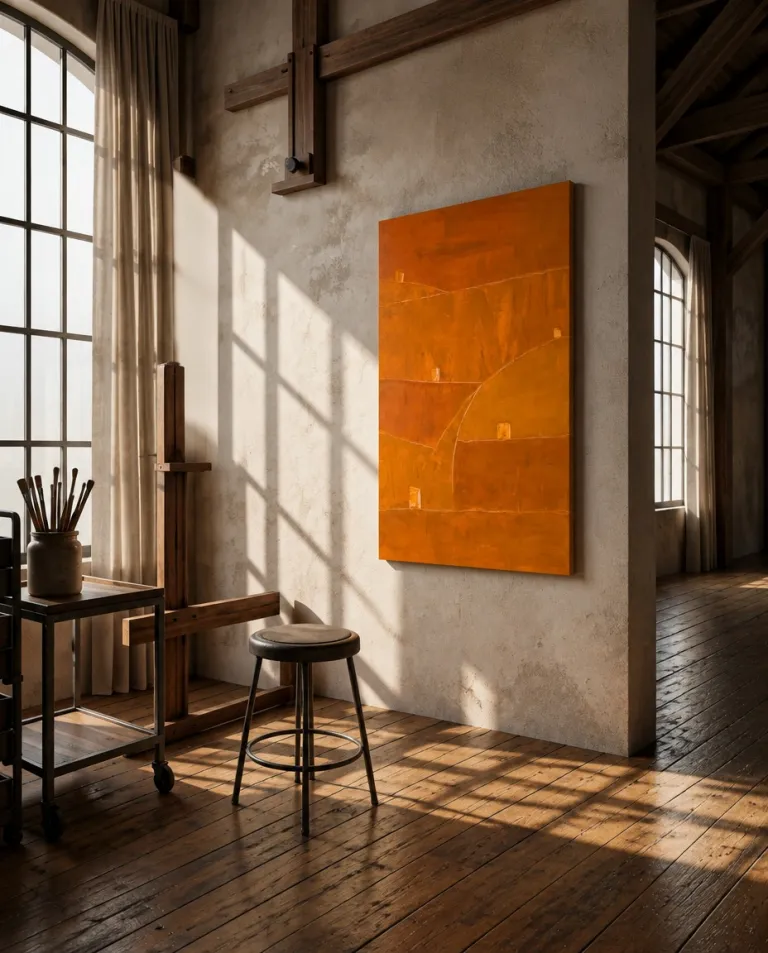
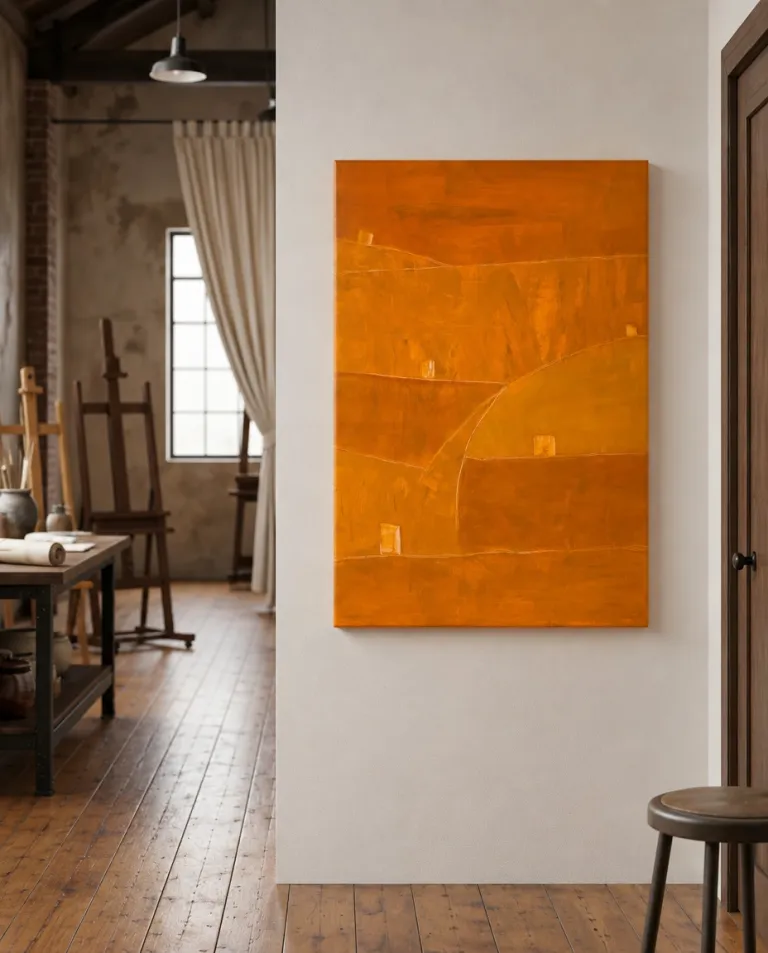
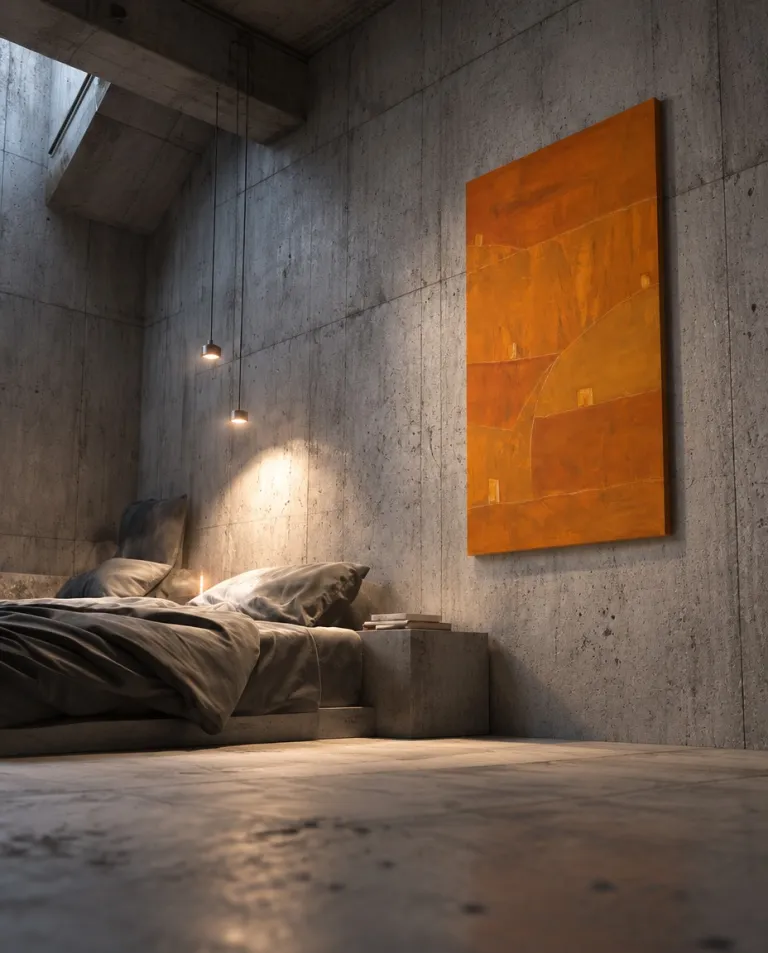
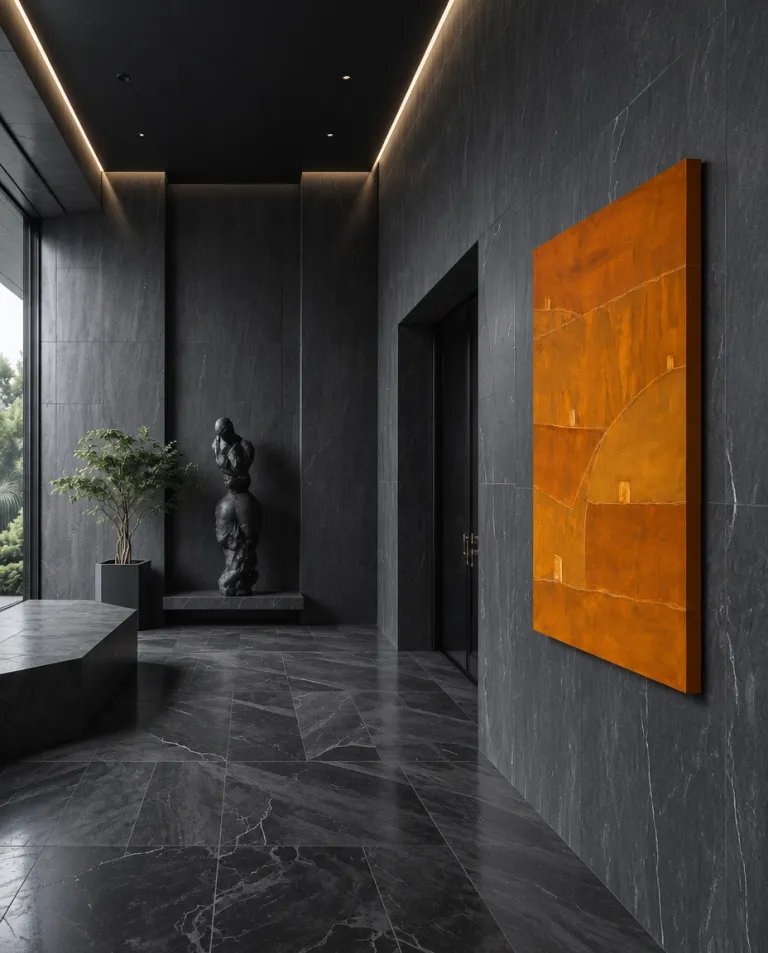
In TESSERA (80 × 120 × 3 cm), Maurizio Valch lays out a surface dominated by oranges of varying gravity: burning amber, thick ochre, areas that darken to an earthy density, and others that seem suspended in a lighter glaze. Color does not appear as a uniform field, but as an accumulation of passages: transparencies revealing previous strata, scrapings of matter, glazes applied over more opaque zones, temperature shifts that move the gaze without letting it settle. Across this expanse, clear, fine, and discontinuous incised lines appear, paths that cross the surface horizontally, deviating, bifurcating, or momentarily losing their tension. They do not divide the painting stably; rather, they alter its continuity, as if the chromatic field had been traversed by a subtle but persistent pressure. The small, luminous rectangular blocks—one near the upper-left edge, others scattered toward the center, the right, and the bottom—do not assume the weight of figures, nor are they reduced to decorative details. Their scale, almost minimal against the orange vastness, makes visible a question: how can something belong to such an intensely unified surface without entirely blending into it?
I work the color until it stops behaving like a covering layer. I need the orange to retain its variations, to be dense in one area and permeable in another, so that the medium reveals the time of its application without becoming a demonstration of gesture. When I incise the surface, I am not seeking to open a drawing against the background: I seek to test what happens when a continuity receives a mark and does not entirely break. Protection, in the face of this expansive color, cannot be a closed wrapping or a defense that isolates what it touches. Painting protects in another way: it maintains a tension, allows something to be contained without being hidden, offers resistance without becoming a wall. That is why the incised marks may seem fragile, even insufficient; they do not guarantee separation, but they make perceptible the desire to establish it. In that precariousness, I find a more concrete measure of trust: not the certainty that the surface will remain intact, but the possibility that it will bear the mark, the deviation, and the contact.
The title introduces a different scale to this relationship. A tessera is a piece that counts because it is not alone, because its form presupposes a whole, a proximity, a structure where each fragment receives and modifies the place of the others. But in Valch’s painting, this condition does not appear as a closed order. The luminous rectangles seem to claim a place in the field without offering themselves as interchangeable elements: each retains its own intensity, an irregular position, a distinct relationship with the incised lines that pass nearby or recede. The ancient idea of the tessera as a broken token of recognition returns here without needing to become a narrative: these blocks could be preserved parts, fragments that do not certify a prior belonging but rather put it to the test. Protection then becomes ambiguous. The lightest rectangle may suggest a point of refuge, but also an area exposed by its brilliance; it can be a presence kept within the medium or something the matter does not fully absorb. Belonging ceases to be fusion and appears as a difficult proximity, held between the need to be inside and the need to preserve an edge.
I do not understand belonging as possession of a surface. I do not consider the orange field to be mine because I built it, nor do I believe the small rectangles must obey a unity that makes them identical. I belong to the marks I find while working, to the distances that form between a darker area and a glazed one, to the interruption produced by an incised line when it seems to deviate from any expected direction. I also belong to what I cannot fix: to the voids between the blocks, to the bifurcations, to the places where the medium seems to contain a light without fully delivering it. If I introduce a rectangular element, I do not want to turn it into an emblem or protect it from the surface as if it were a separate body. I want to let it remain alongside it, so that its difference has weight and that difference does not demand exclusion. Trust, for me, begins there: not in erasing separations, but in allowing one mark to remain close to another without having to dominate it.
Thus, the incised lines of TESSERA do not retain a single meaning. In certain stretches, they seem like provisional seams gathering fields of different temperatures; in others, they acquire the thinness of a defensive border or of a path seeking orientation in the expanse of color. Nor do the luminous blocks resolve their condition: they can be read as parts of a whole, as signals waiting for correspondence, as insufficient refuges, or as presences that make the surrounding vastness more visible. The painting sustains this indeterminacy materially: nothing is completely closed, yet nothing disperses without relation. Belonging no longer equates to being merged into a totality; protection no longer describes a safe interior; trust is not presented as a consummated agreement. Between ambers, ochres, glazed layers, and light marks that cross without forming a consolidated network, the three words remain exposed to a surface that brings them together while preserving their differences.