Published work / FACIES
CUTIS
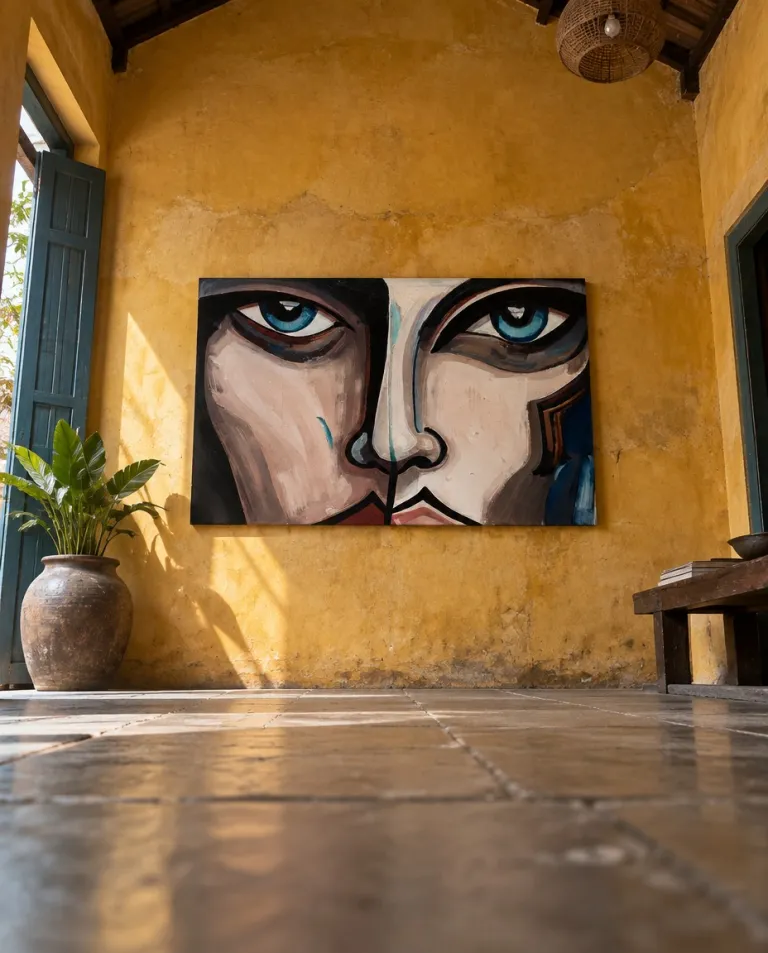
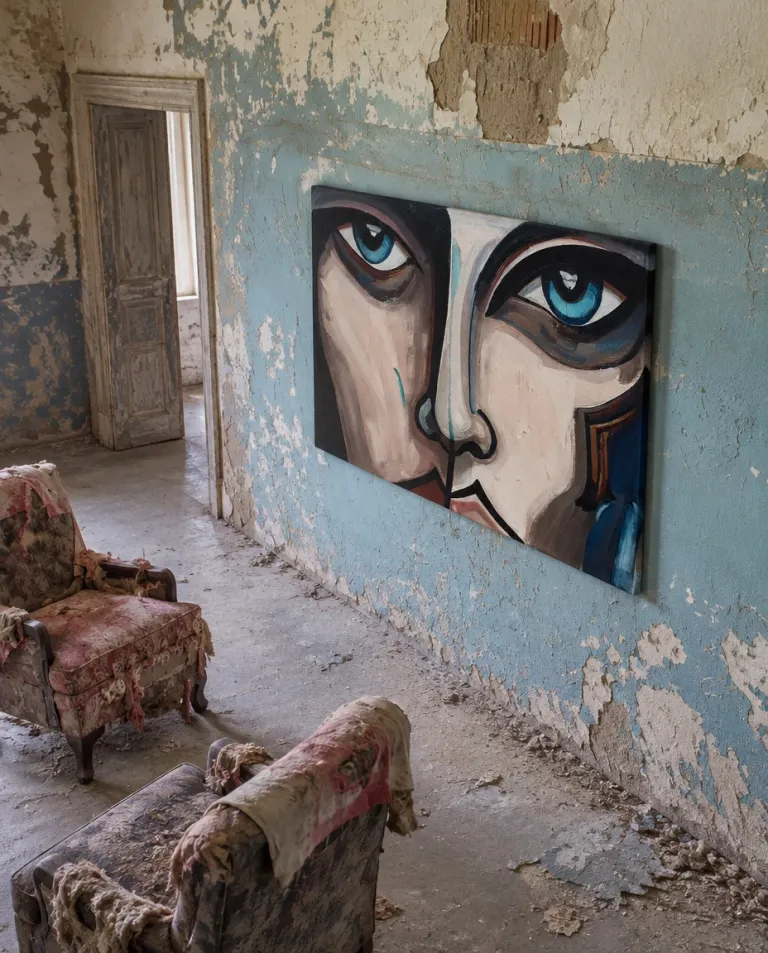
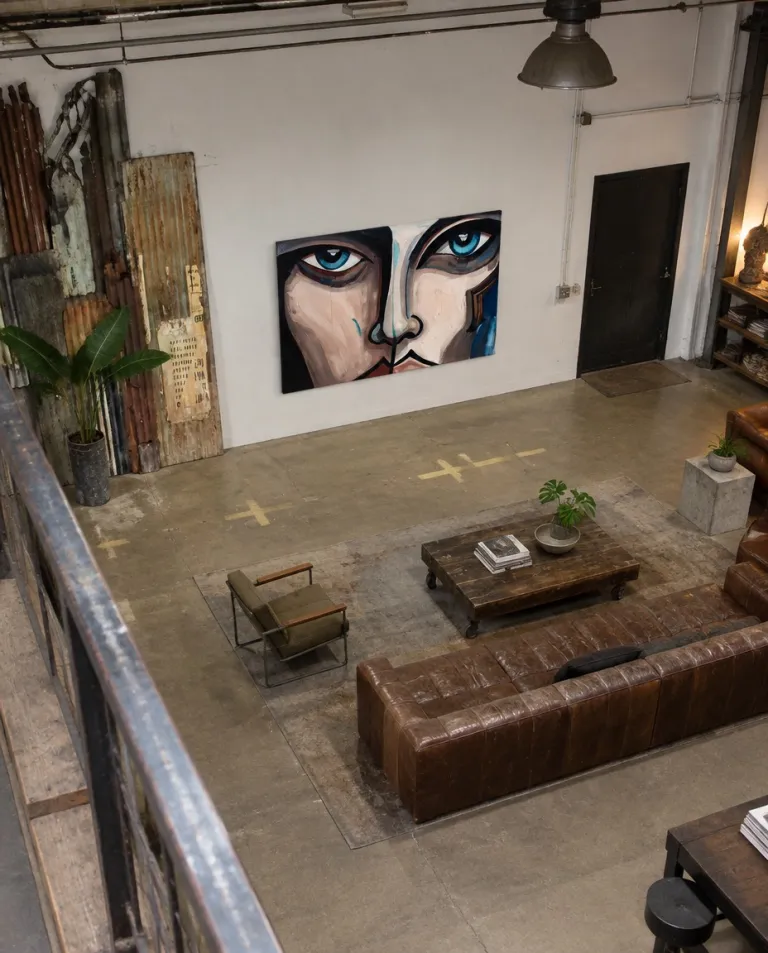
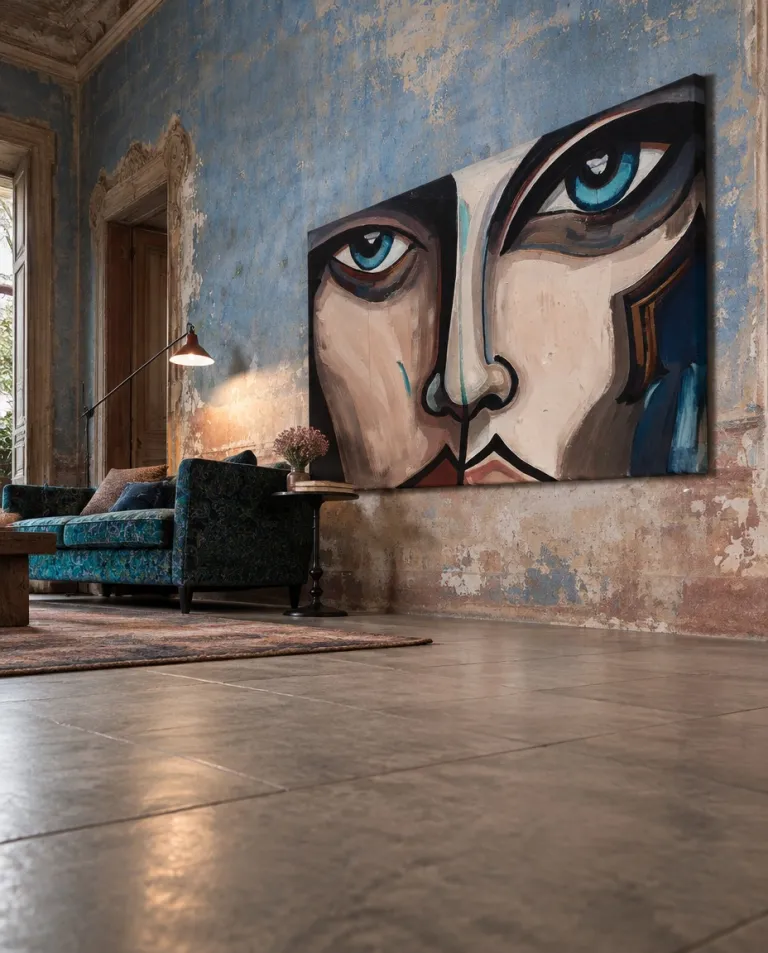
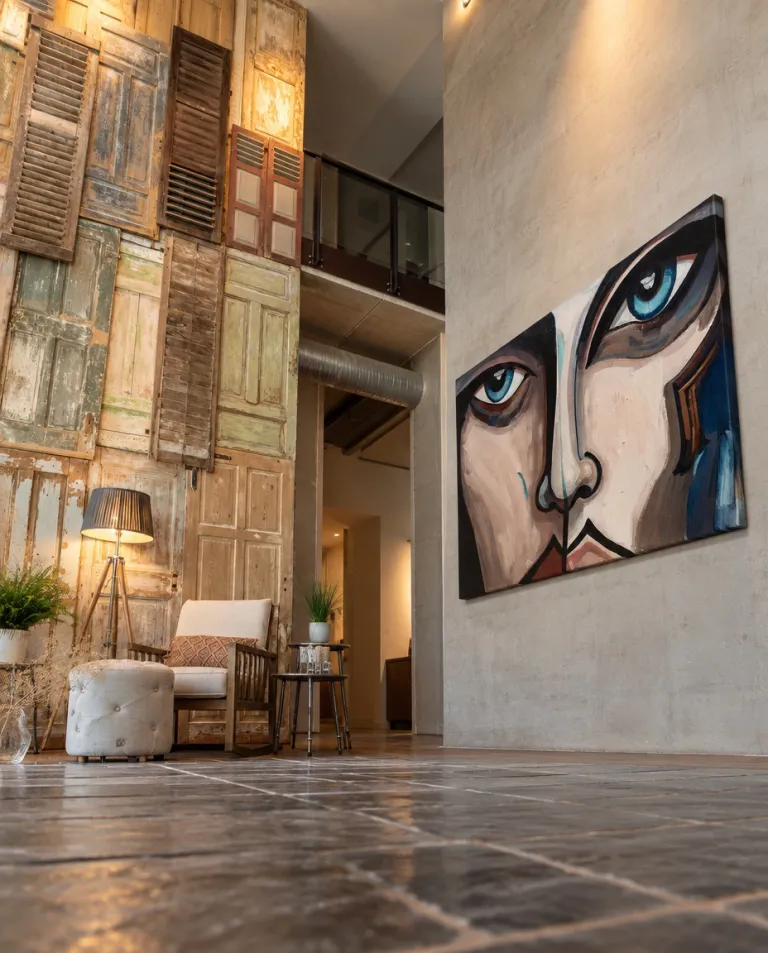
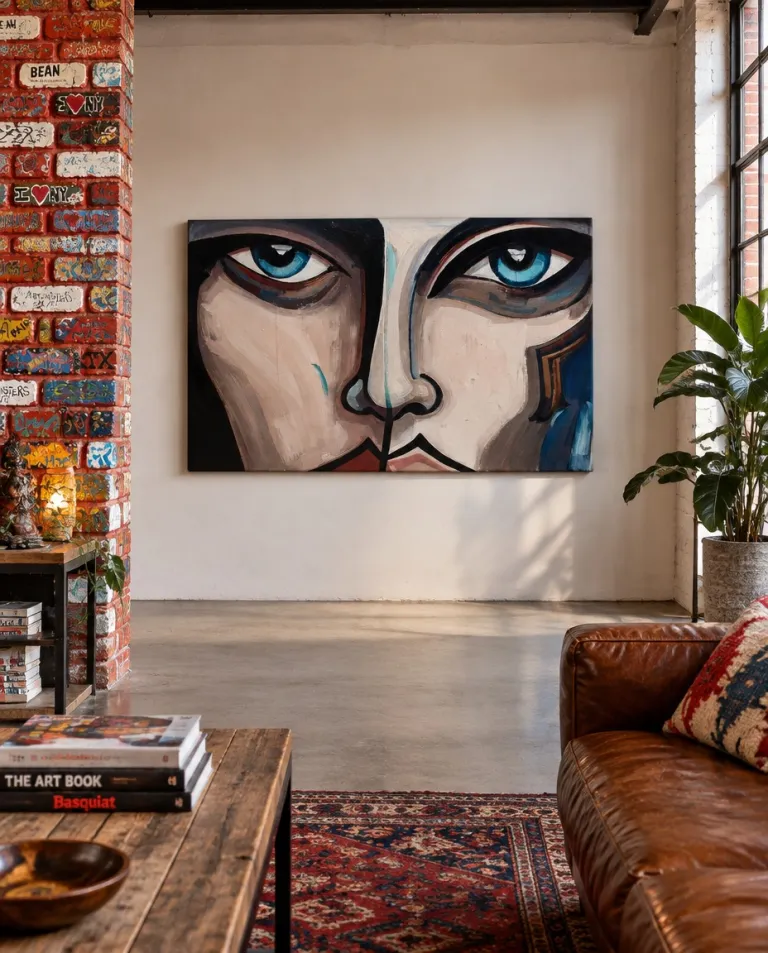
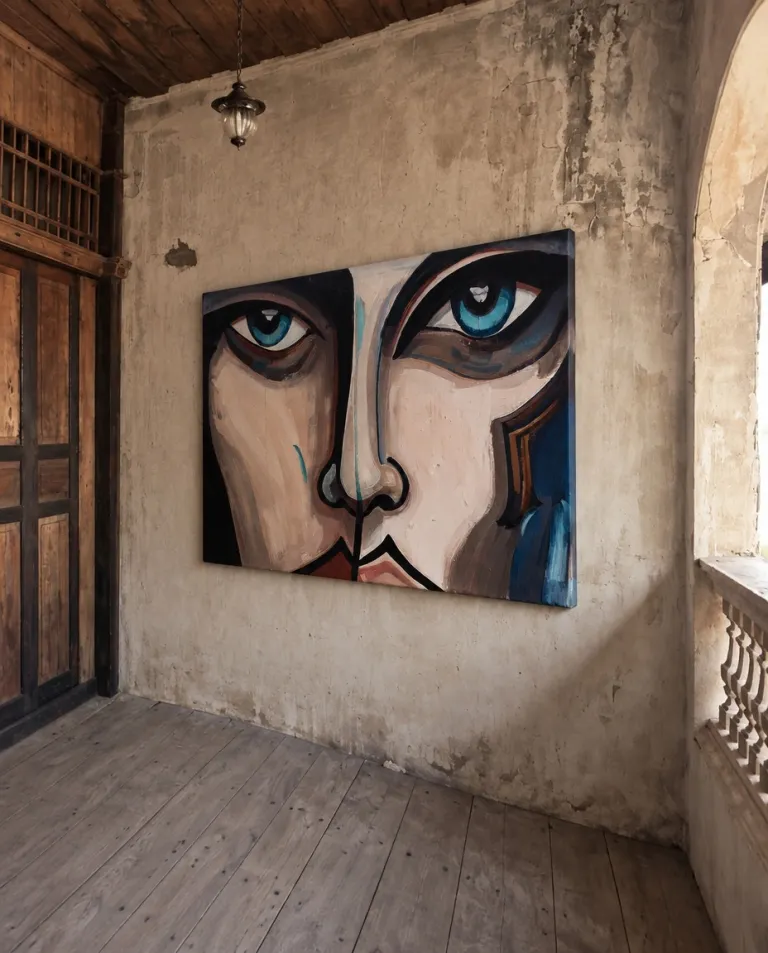
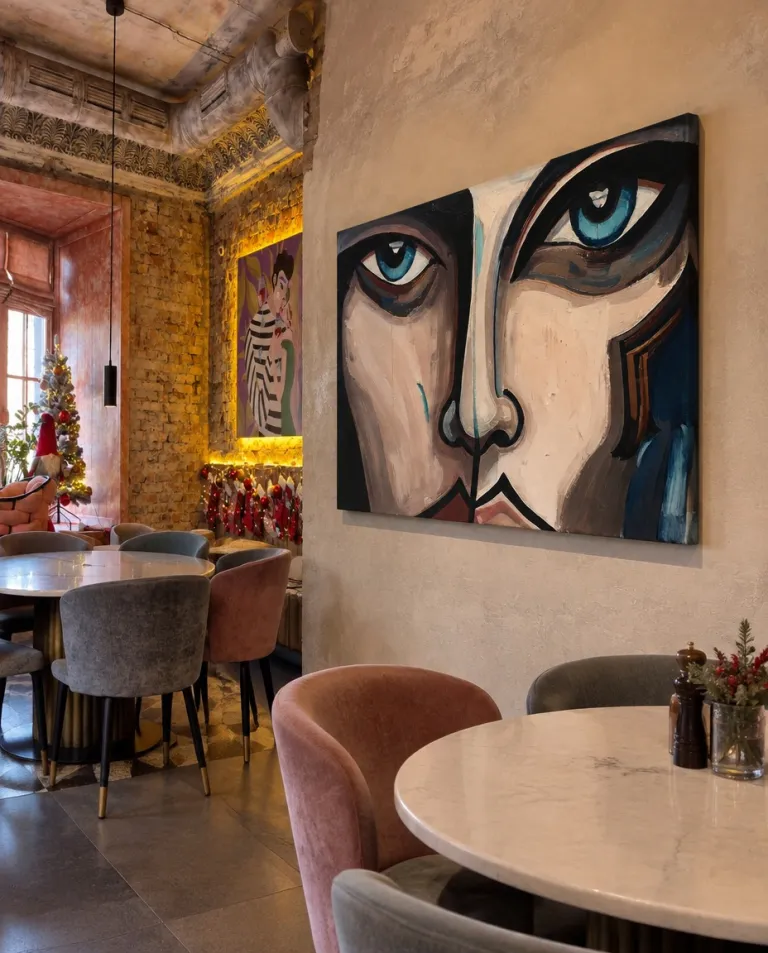
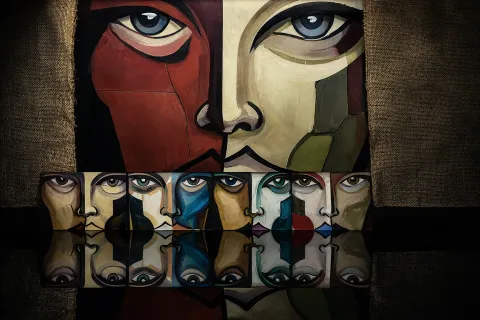
Fragmented face, exposed surface
- Size
- 82.7 × 55.1 in / 210 × 140 cm
- Series
-
FACIES
 Painting series
FACIES
The «FACIES» series by Maurizio Valch explores contemporary abstract face painting. These works, realized in acrylic and oil on canvas, present structural art of fragmented faces, where identity emerges as an evolving surface – a visual coexistence of forms, gazes, and silences. View series
Painting series
FACIES
The «FACIES» series by Maurizio Valch explores contemporary abstract face painting. These works, realized in acrylic and oil on canvas, present structural art of fragmented faces, where identity emerges as an evolving surface – a visual coexistence of forms, gazes, and silences. View series
- Context studies
- 12
Conceptual Note
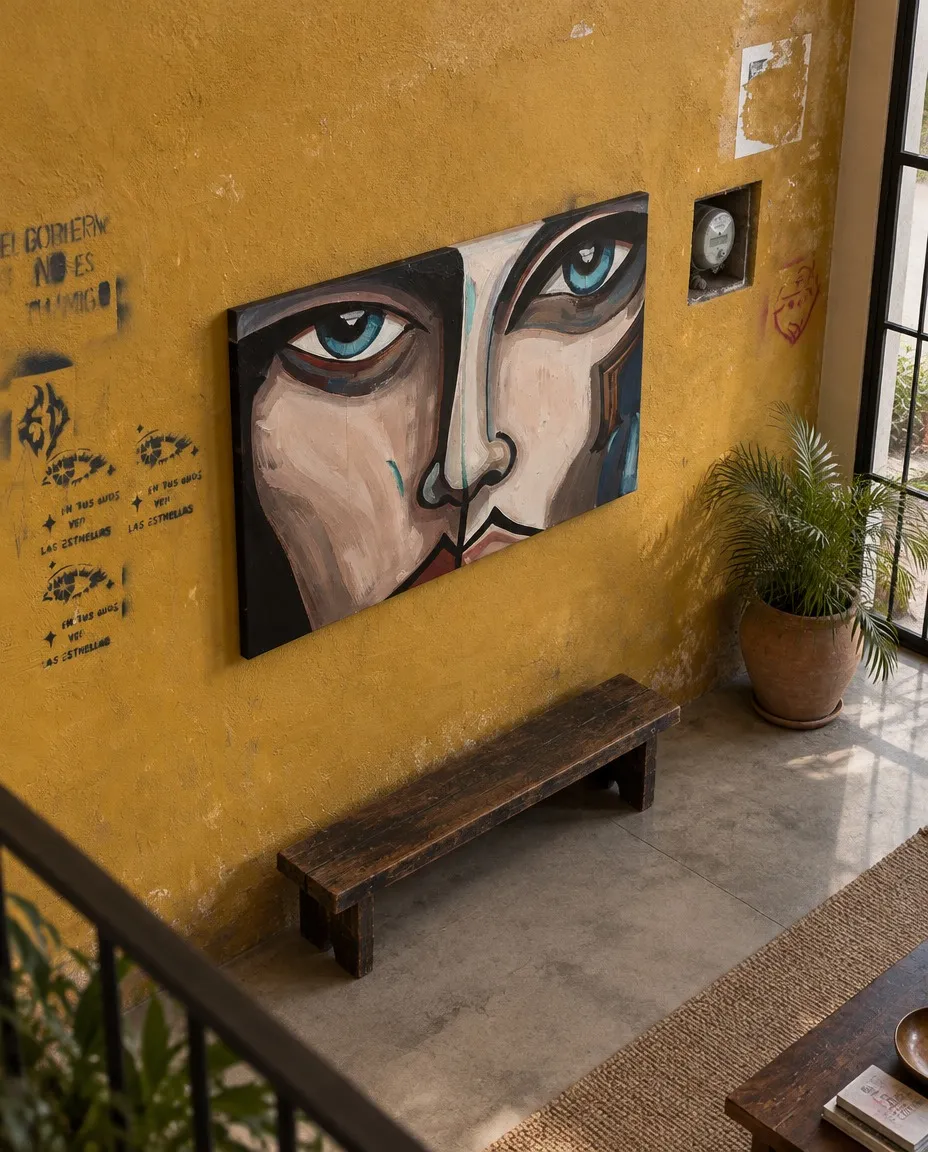
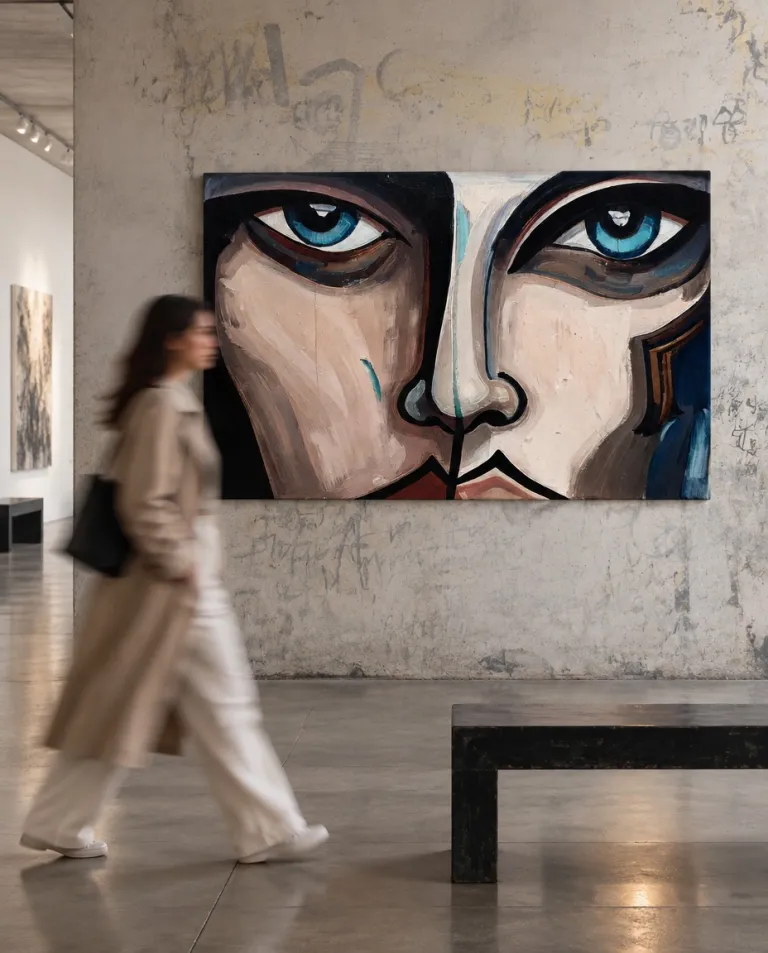
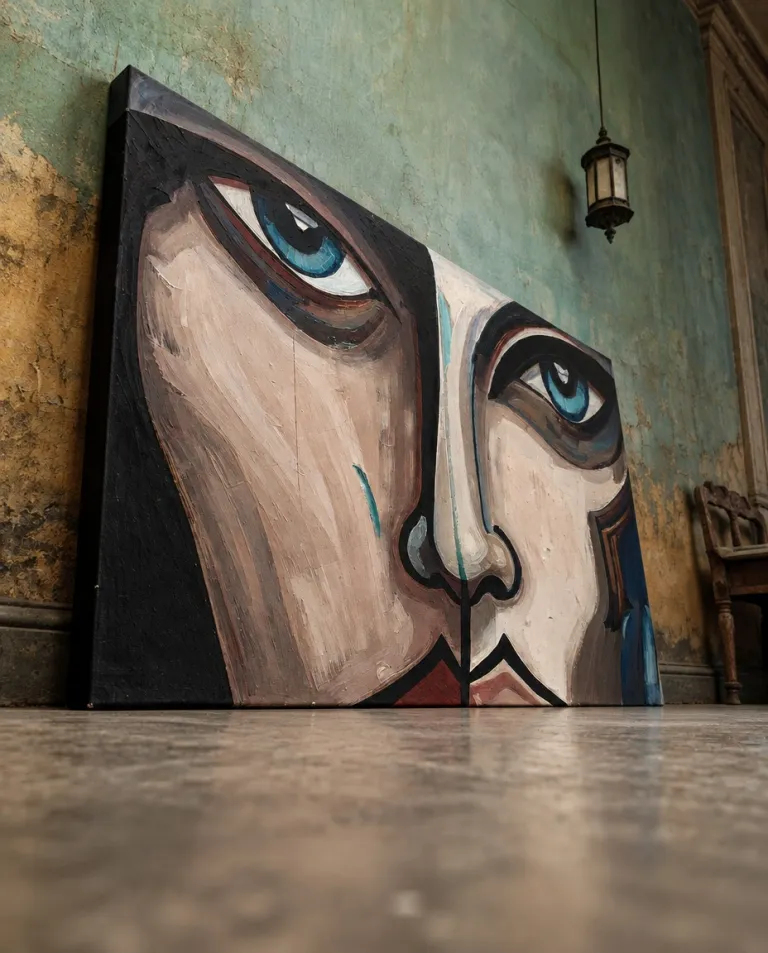
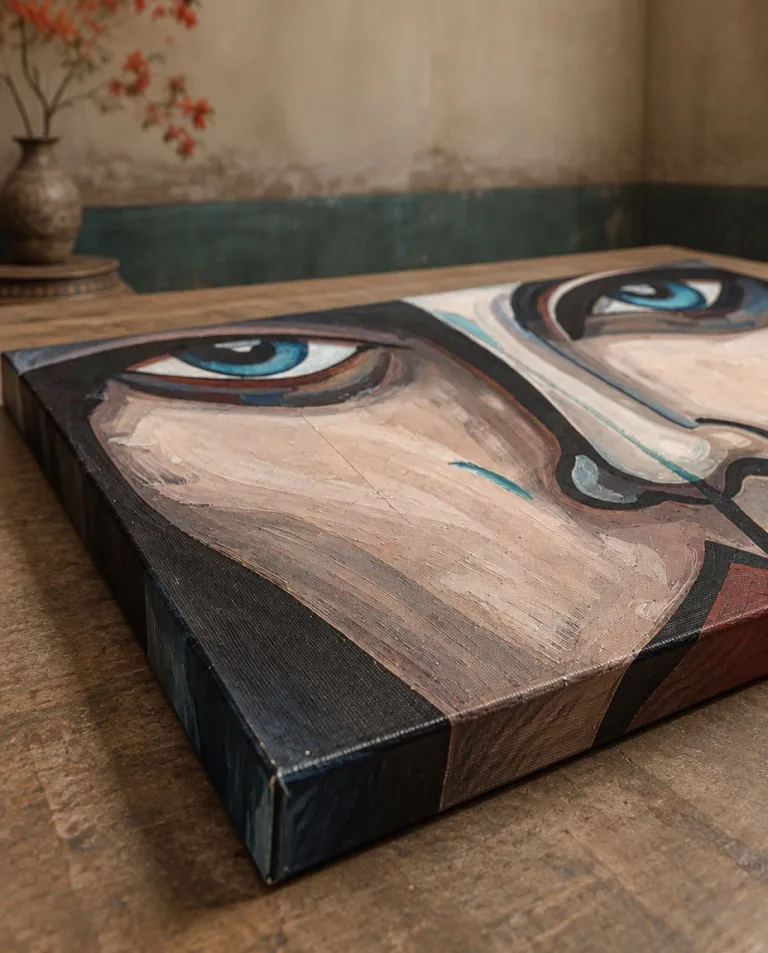
The physical scale of “CUTIS”, measuring 210 × 140 cm, gives it an almost architectural presence, placing the viewer before a physiognomy that exceeds the canvas format and eliminates any comfortable contemplative distance. Fragmented yet monumental, the face is not presented here as a traditional anatomical representation, but as a topography of painted flesh. The “cutis” of the title ceases to be a mere epidermal covering and becomes a tectonic boundary, a crust built through accumulated layers of oil paint that acts as a bastion of protection. This dense material, with rough brushstrokes and cutting rhythms, shields an interiority that resists immediate consumption. Across this material front, the symmetrical, frontal gaze of the eyes in intense indigo blue operates as a device of confrontation: two magnetic focal points that suspend the observer’s judgment, compelling them to hold the stillness of the present and collide with the impenetrable density of this protective mask.
Confronted with the dimensions of this canvas in the solitude of the studio, I conceived of space not as the capture of a preconceived form, but as a territory to be conquered through the physical friction of matter. I recall how the broad brushstrokes, which at first suggested the horizontality of an abstract landscape, condensed through sheer formal gravity into this monolithic physiognomy. For me, belonging is neither a static refuge nor an inherited identity, but a forced reconciliation between polarities. I see this reflected in the vertical seam, that dense, almost constructive shadow that cuts across the axis of the nose and divides the face into two chromatic slopes. By painting with these earth tones, greys, and raw ochres, I seek to establish a ground of my own on the support, a territory where those two halves of my own search can take root and coexist under the force of a single pictorial gravity.
Within this rigid tectonic structure, an anomalous chromatic and gestural event stands out: an incision of bright turquoise blue that wounds the figure’s left cheek. This stroke, which interrupts the continuity of the earth tones, acts as a deliberate subtraction in the painting’s protective skin. It is at this breaking point that the most radical dimension of trust emerges. To trust, in terms of matter and experience, does not mean immunity, but the voluntary act of setting aside defensive armour so that the surface may become vulnerable to otherness. The turquoise incision reveals that beneath the heavy mask the face raises to protect itself from the world, an exposed sensitivity pulses. Trust is defined here not as the absence of a wound, but as the acceptance of fracture as the only honest space in which a real encounter, free of simulacra, can occur between the work and the other.
As I sculpted the iris of those blue eyes with the brush, my intention was not to create an object for passive contemplation, but to address directly whoever pauses before the painting, returning to them the question of their own systems of self-defence. I wanted that gaze to dismantle the ego’s trench, an exercise I myself had to undertake as I laid thick oil paint onto the canvas. By contrasting cool light with dense shadows, I sought to unsettle my own certainties as a painter, forcing myself not to hide behind the comfort of a clean stroke. Once the work was complete, I understood that these eyes no longer belonged wholly to me; I yield to their physical laws, to the resistance of their drying and their volumetric weight, relinquishing my control so that the painting may begin its own life of silent confrontation in the exhibition space.
In this way, “CUTIS” takes shape as a tactile shoreline where the work’s conceptual tensions find a material reconciliation. The painted skin, which initially raises a surface of protection against the outside, accepts being traversed by the incision of trust, thereby founding a space of reciprocal belonging between canvas and observer. The painting ceases to be an alien representation and becomes the mirror of a consciousness that acknowledges its own strata, shadowed areas, and exposed wounds. In the vibration of its impasto and the honesty of its raw material, the painting reminds us that integrity is not achieved through ideal symmetry or impenetrable armour, but through the recognition of our own visible vulnerability, where art and existence share the same exposed surface.