

Published work / STRATA
QUIES
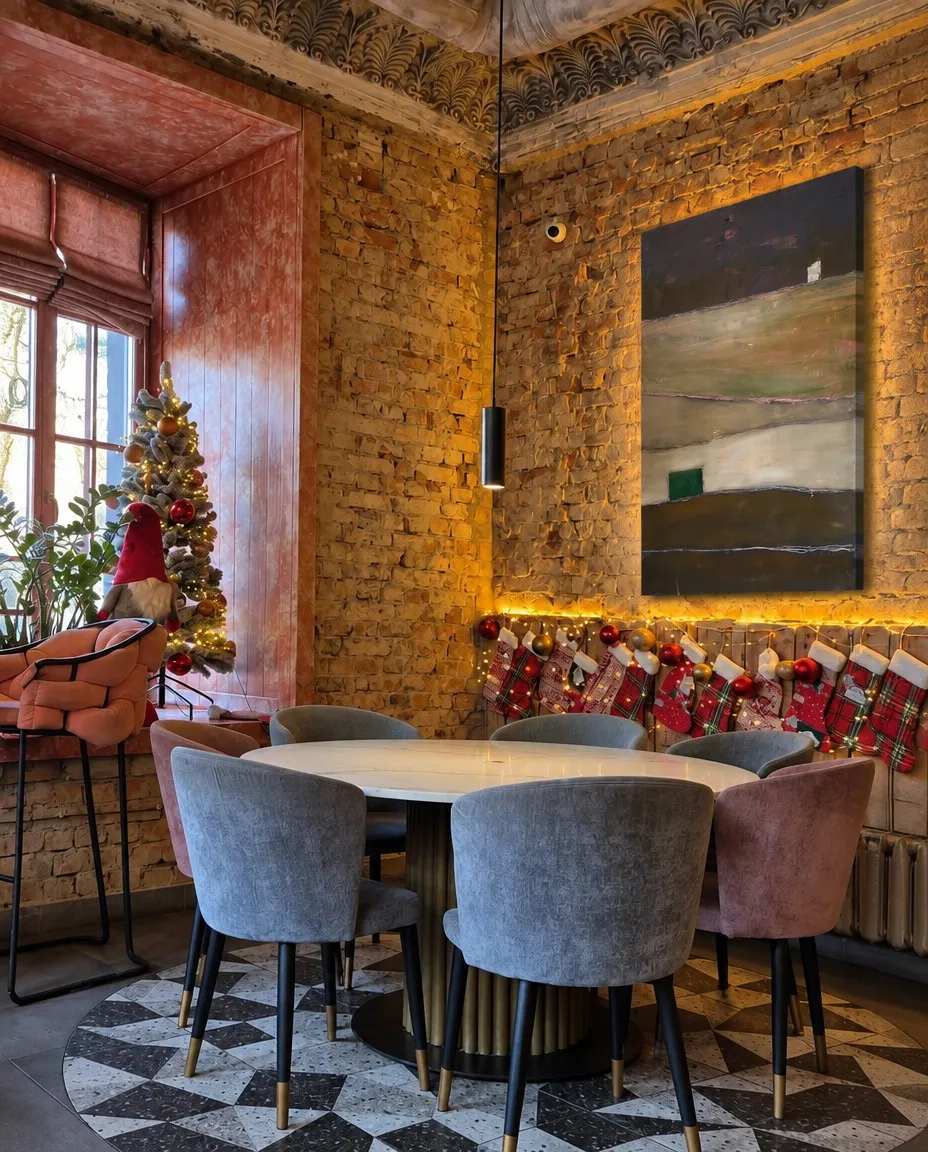
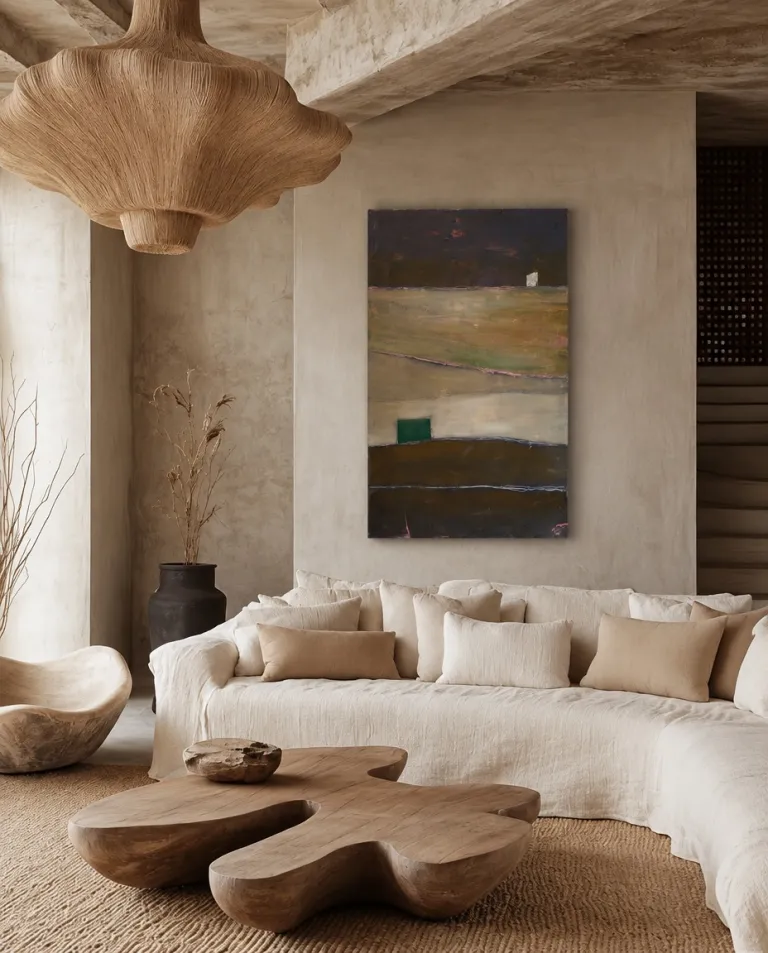
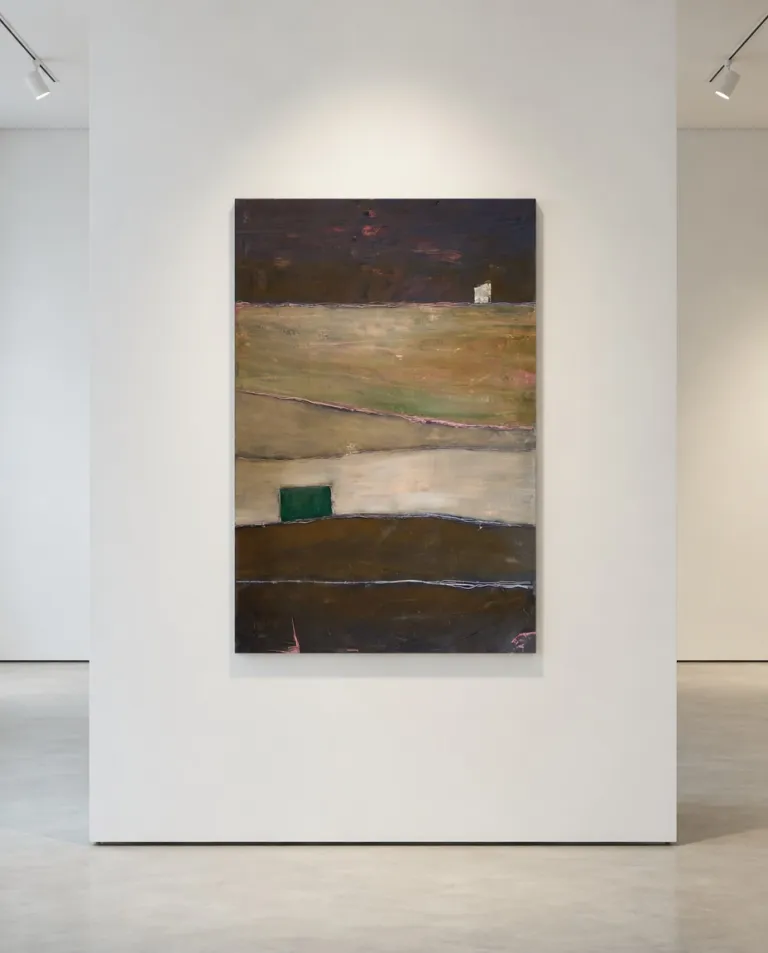
Strata, undulating boundaries and isolated presences held in suspension.
- Size
- 31.5 × 47.2 in / 80 × 120 cm
- Series
-
STRATA
 Painting series
STRATA
STRATA brings together abstract paintings in which the surface becomes a territory of pressure, cutting and duration. Amid dense chromatic fields, compact blocks and incisions, Maurizio Valch situates memory as a material trace rather than a decipherable narrative. View series
Painting series
STRATA
STRATA brings together abstract paintings in which the surface becomes a territory of pressure, cutting and duration. Amid dense chromatic fields, compact blocks and incisions, Maurizio Valch situates memory as a material trace rather than a decipherable narrative. View series
- Context studies
- 12
Conceptual Note
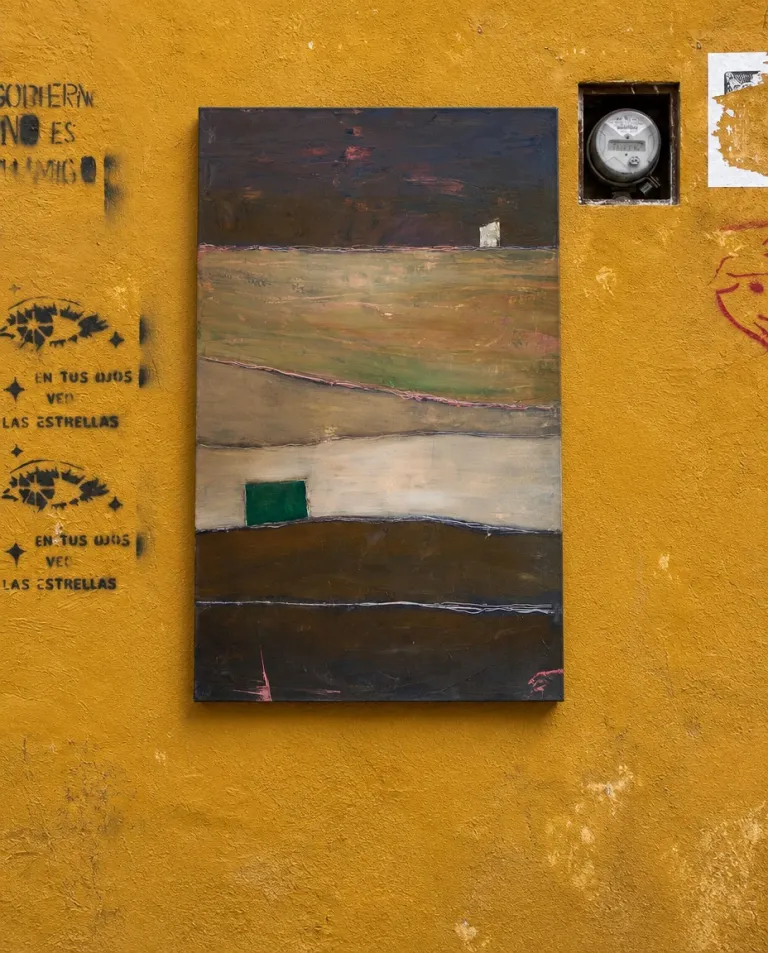
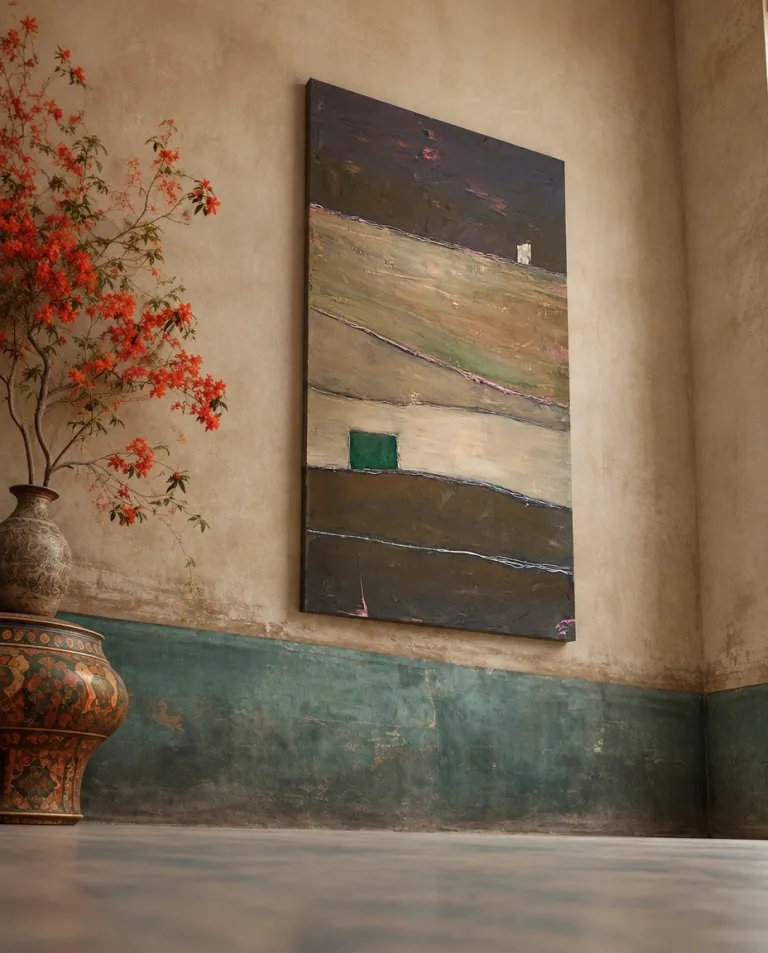
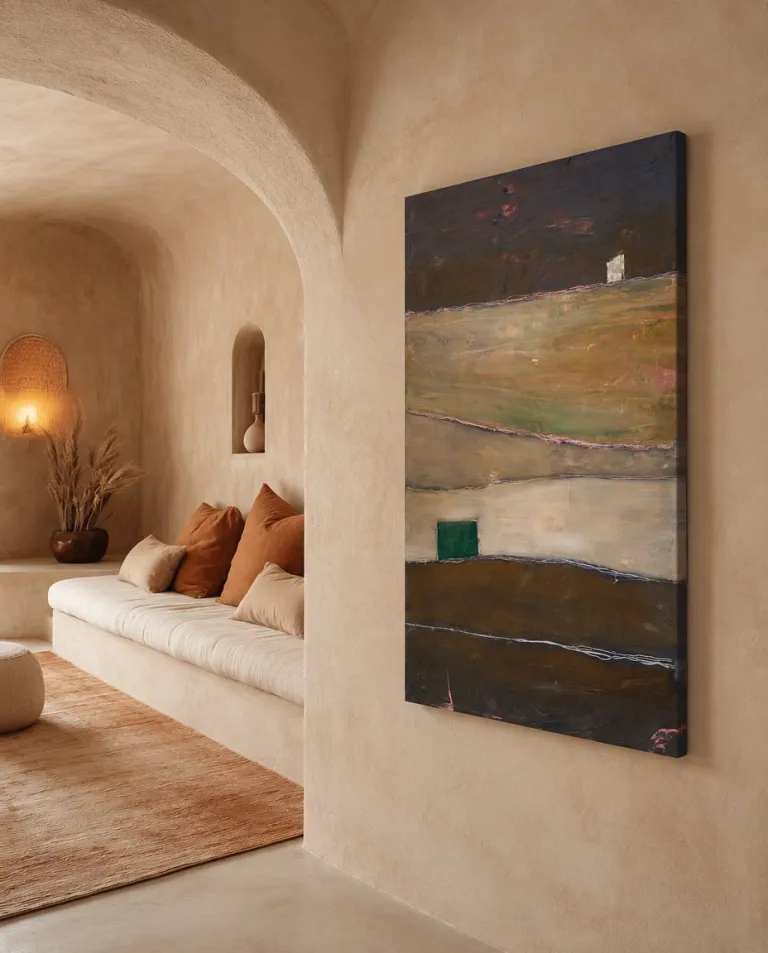
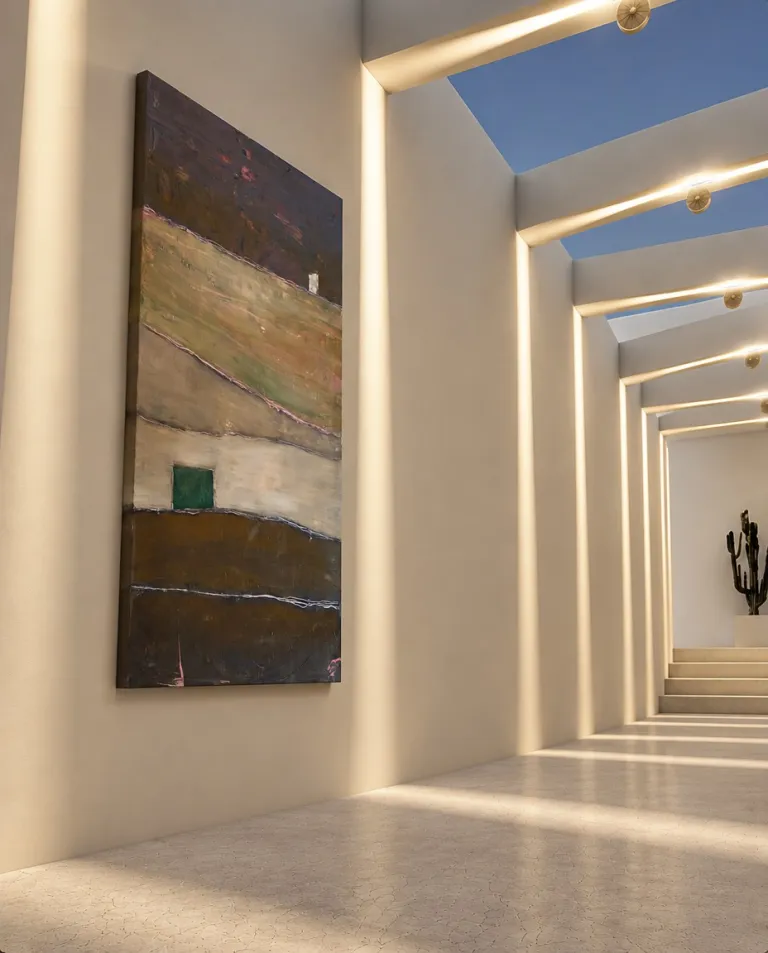
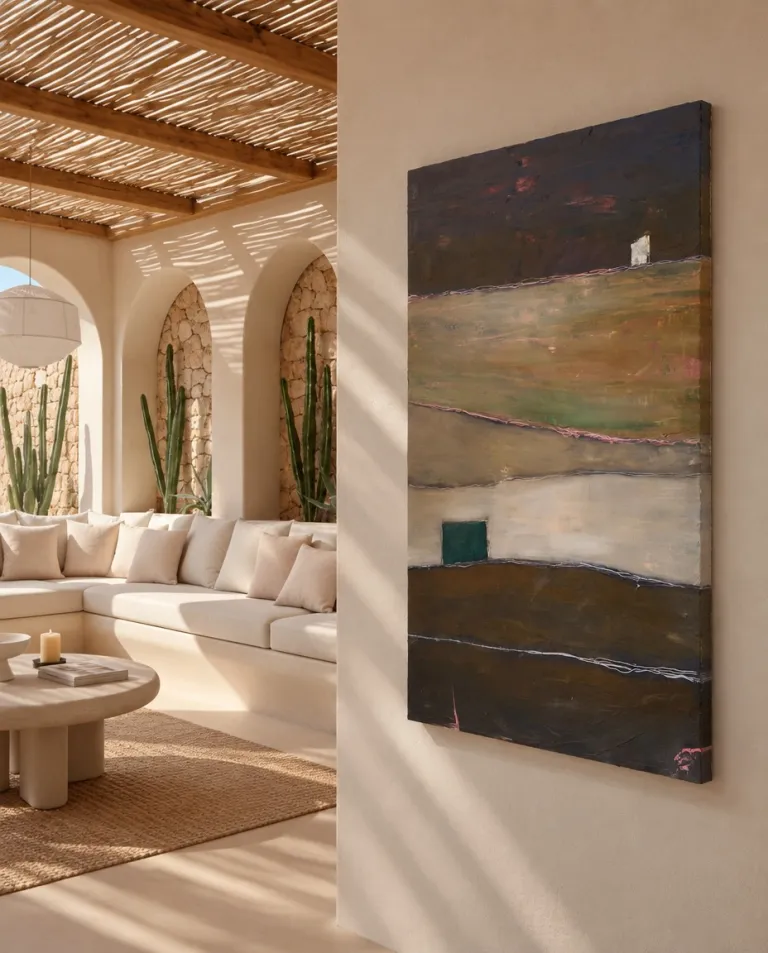
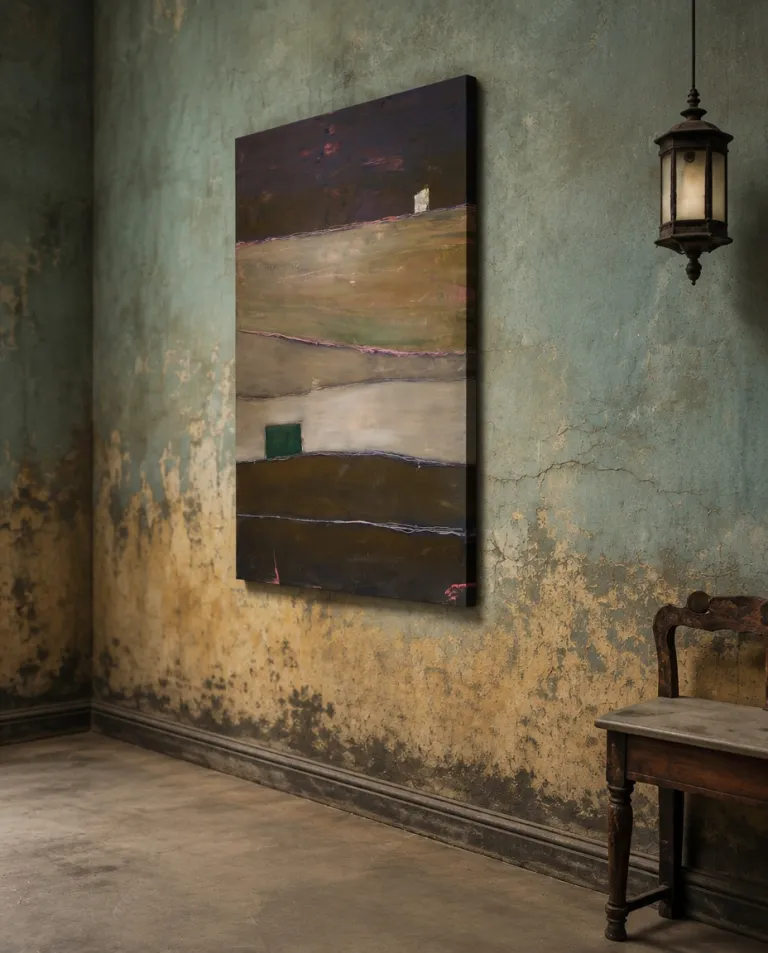
The composition rises vertically through horizontal strata that never settle into clean bands. At the top, an almost nocturnal, dense and worked surface dominates, with reddish and violet glazes appearing like remnants of light held beneath a dark surface. Below, earthy, greenish and grey fields follow one another without forming a recognisable landscape: they are expanses of paint, areas of varying density, deposits of colour and gesture. Between them run light, irregular, slightly raised lines that seem to mark divisions but also cross them, link them and repair them incompletely. Their undulation prevents them from being understood as firm boundaries. They separate and stitch at once. In this double movement, a decisive paradox begins to emerge: belonging to a field can mean finding a form of shelter, but also accepting the edge that distinguishes and limits it. The painting presents neither a unified surface nor a sum of isolated compartments; it holds its zones together precisely where their contact seems most fragile.
I work on these limits without expecting them to resolve the space. When I place a light line between two materials, I do not seek to draw a definitive separation, but to make visible the effort of keeping two zones close without confusing them. For me, a line can protect and it can wound; it can cover a crack and, at the same time, make it more perceptible. I experience it as a scar because it preserves the memory of pressure, but also as a form of contact because it exists only between things that do not quite coincide. I do not trust in the purity of an untouched surface or in the certainty of a perfectly straight edge. I prefer the material to tremble, the stroke to break off, something of the underlying colour to reappear. Where the boundary seems least secure, I can recognise a proximity that demands neither absorption nor absolute distance.
The small white block, placed toward the right of the upper band, concentrates an abrupt light amid the darkness above. Its reduced size does not diminish its presence: by contrast, it seems exposed to the material surrounding it, as though it could find no stable ground in that deep reddish area. Far below, toward the left, the dark green rectangle rests on an undulating line within a lighter band, although that lightness does not fully protect it either: dense layers, shadowed bands and surfaces that seem to shift over one another persist around it. There is no reason to turn these two blocks into recognisable figures or assign them a narrative function. Their relation is sustained instead by the unequal nature of their positions. The white breaks through above, isolated and luminous; the green remains below, contained but not fully sheltered. Between them extends a stratified distance in which protection ceases to be a secure enclosure. It is distributed across partial supports, thicknesses of colour, edges that do not quite close, and silences that allow the existence of another point—remote yet insistent—to be sensed.
I do not paint to reach a territory without marks. I need the layers to retain shifts, abrasions, areas where the paint seems to have been held back or dragged. If I trust in anything, it is not in the promise that everything will remain intact, but in the possibility of remaining before what does not settle. I can rest a rectangle on a line, but I cannot turn that line into unquestionable ground; I can open a light within a dark area, but I cannot guarantee that the light will dominate it. For me, trust emerges when I accept this material insufficiency rather than conceal it. It does not consist in denying the edge, but in sustaining it without hardening it into a wall. I want the viewer to perceive that every separation retains an opening, that every layer is exposed to the next, and that even the darkest material participates in a proximity it cannot fully secure.
In QUIES, the stillness indicated by the title does not amount to immobility or withdrawal. It is an active suspension, built through the tensions between the strata, the irregular pulse of the lines, and the separation that keeps the white block and the green rectangle in an unresolved relation. Nothing fully merges, yet nothing remains entirely apart. Belonging does not appear as calm adherence to a closed interior; it takes the more uncertain form of a proximity that preserves difference. Nor is protection offered as an absolute barrier, since the undulating edges allow matter, the memory of gesture and the threat of alteration to pass through. And trust, far from depending on a guarantee, settles in the vulnerable space where two zones remain close without possessing one another. The painting seems to sustain this interval: a divided territory that does not relinquish relation, a wounded and stitched surface that proposes remaining beside the other without turning it into the same.