
Published work / STRATA
TRIA
Chromatic Tension in a Color Field
- Size
- 47.2 × 31.5 in / 120 × 80 cm
- Series
-
STRATA
 Painting series
STRATA
Maurizio Valch's STRATA series features contemporary abstract painting, showcasing artwork with stratified surfaces. Crafted with acrylic and oil on canvas, this series stands out for its dense chromatic fields and profound incisions, evoking an inner, archetypal territory. View series
Painting series
STRATA
Maurizio Valch's STRATA series features contemporary abstract painting, showcasing artwork with stratified surfaces. Crafted with acrylic and oil on canvas, this series stands out for its dense chromatic fields and profound incisions, evoking an inner, archetypal territory. View series
- Orientation
- Horizontal
- Context studies
- 6
Conceptual Note
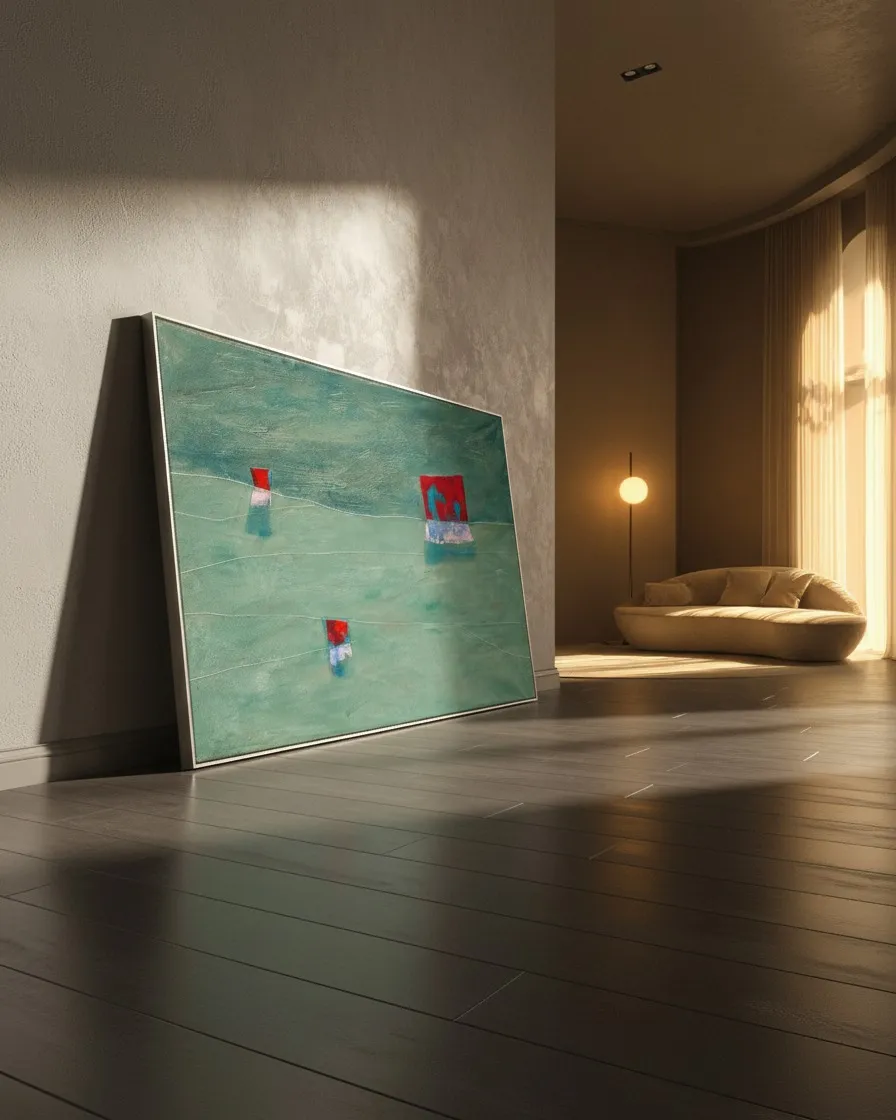
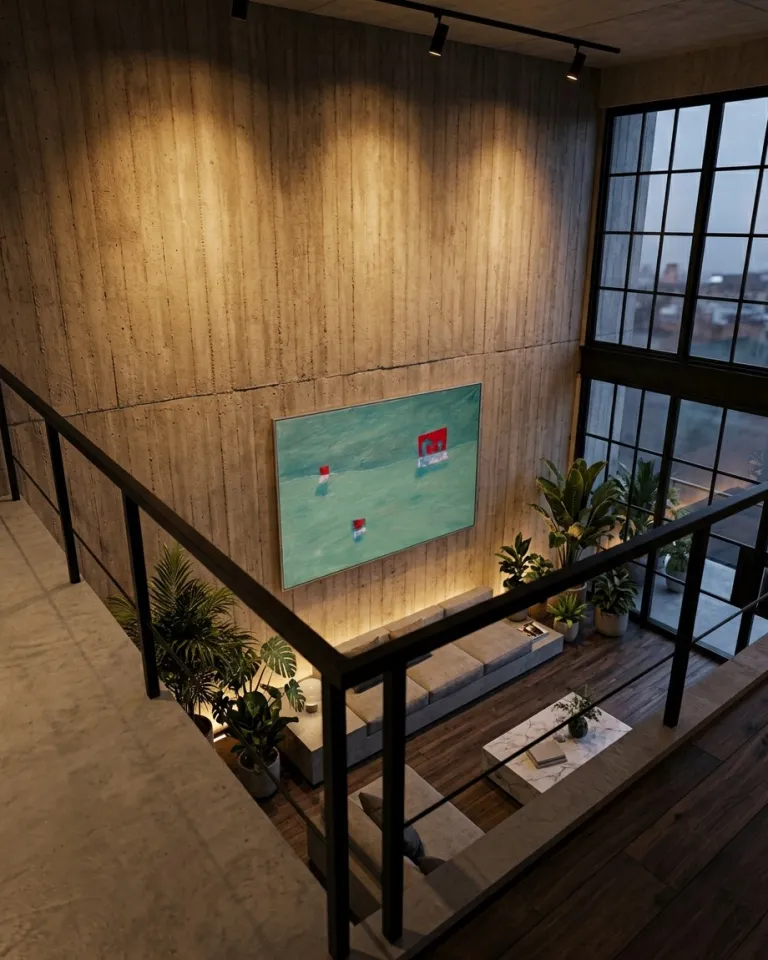
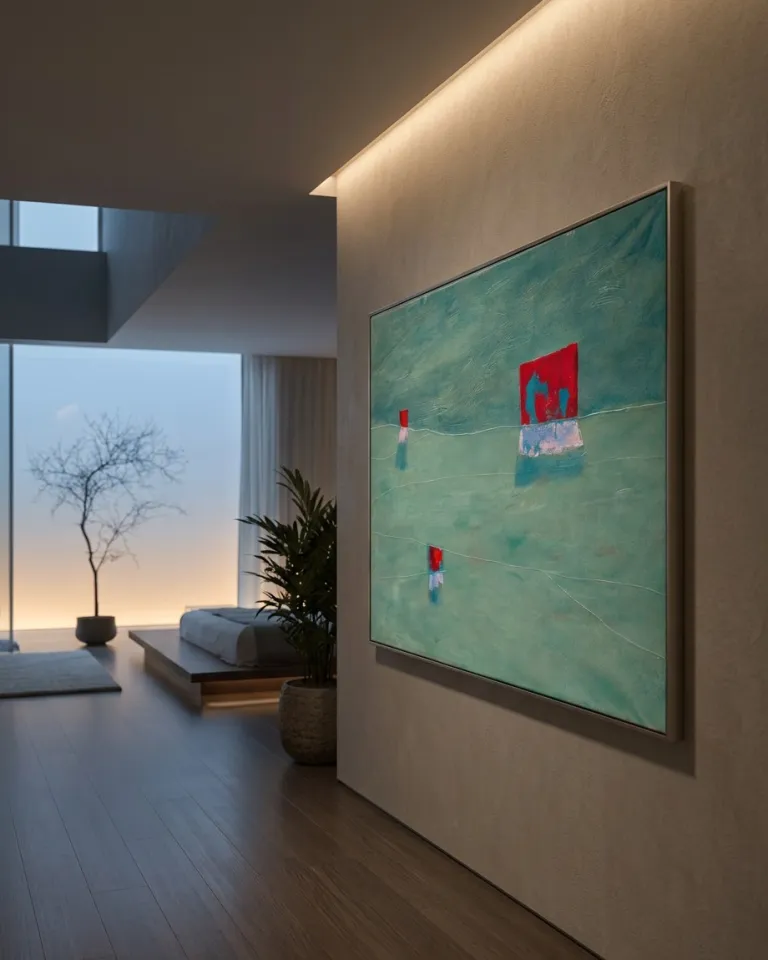
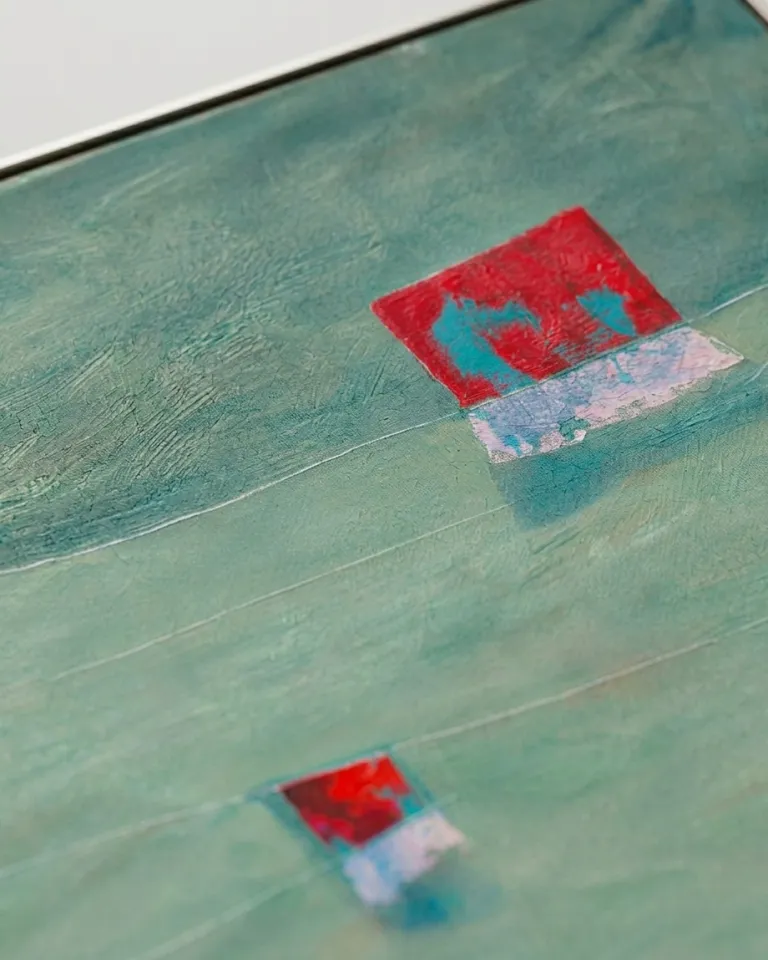
Unlike figurative depictions that define space with concrete references, the spatial tension in Maurizio Valch’s painting 'STRATA VIII - TRIA' emerges from the contrast between a vast teal color field and the impactful presence of geometric crimson red forms. These forms, like monoliths, appear to float or anchor within a subtly incised horizon.
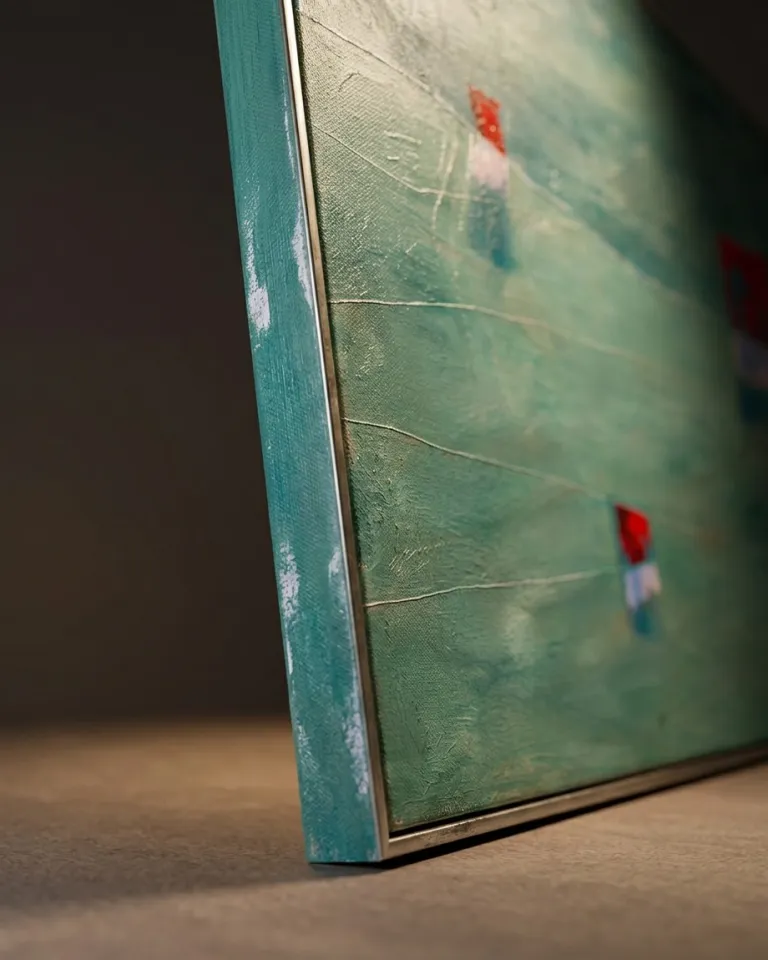
The artwork's materiality is built through a combination of acrylic and oil on canvas. Valch's process is evident in the rich surface textures: dense impasto in the upper section, glazes that lend depth to the lower field, and incised lines traversing the plane. These details are the result of palette knife application, scraping, and successive layering, evoking a geological landscape or a worked surface.
As part of the 'STRATA' series, this piece aligns with Maurizio Valch's exploration of territory as a surface of origin and memory. Here, the suspended blocks and horizontal lines function as 'strata' and 'spatial divisions.' They do not seek to illustrate a specific narrative but rather construct a space for contemplation, order, and fracture, inviting an open interpretation of matter, body, or a place of emergence within a sober and melancholic atmosphere.
In TRIA, the immersive quality of the vast teal color field establishes a sober and melancholic atmosphere dedicated to quiet contemplation. This expansive color space, balanced by the impactful presence of the geometric crimson red forms, builds an emotional weight that aligns with the spatial explorations of Mark Rothko, where the deep glazes of the lower section intensify the viewer's perceptual engagement. This field is structured by a subtly incised horizon and other incised lines traversing the plane, reflecting the minimal linear interventions of Barnett Newman. In this composition, these scraped divisions function as thresholds of order and fracture, organizing the color zones to define a clear sense of scale. Furthermore, the way these horizontal divisions and chromatic zones hint at a geological landscape reveals an affinity with Richard Diebenkorn. By treating the canvas as a territory of origin and memory, the abstract planes of teal and crimson suggest territorial structures rather than a literal depiction, a connection further reinforced by the tactile richness of the dense impasto in the upper section of the canvas. Finally, the impactful crimson red forms that float or anchor like monoliths within the composition evoke the compact blocks of color characteristic of Nicolas de Staël. These geometric, suspended blocks balance pure abstraction with a palpable spatial tension, maintaining a constant dialogue between physical matter and open space.