The silence preceding matter is broken on Maurizio Valch’s canvas, where red plunges into a green that seems to breathe with the density of a night tide. Before this surface, Philo of Alexandria, the Judeo-Alexandrian philosopher who sought to bridge the ineffability of the divine and the rational structure of the Greek logos, observes the incisions of light as if they were the visible manifestation of an incomprehensible Logos attempting to tear the veil of the material temple. Beside him, Swami Rama, the Himalayan master who translated the secrets of breath and mental control for Western science, remains motionless, indifferent to mystical interpretations of the planes. Rama does not seek to decipher the architecture of the work; he prefers to perceive the air shifting in front of the painting, feeling the subtle pressure that this chromatic abyss exerts on the viewer’s chest, where color ceases to be a visual representation and becomes a physical vibration that halts the constant flow of thoughts.
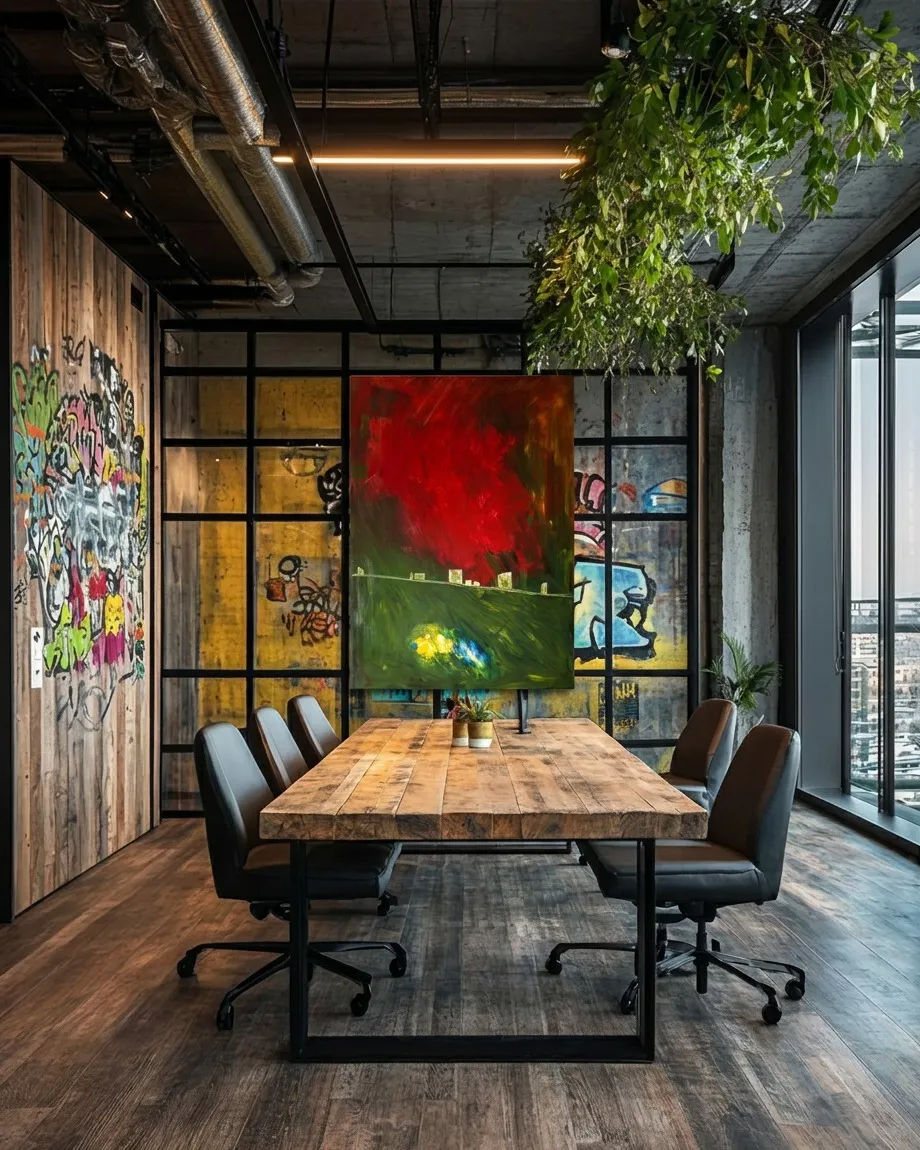
I accept this silence that the work imposes on me, a silence that my daily thoughts rarely know how to sustain. Looking at the boundary that divides the canvas, I wonder if I have given existence to a real presence or if I am merely decorating my own uncertainty before the invisible. There is a strange gravity in letting surfaces coexist without reconciliation, a reminder that every formal choice is also a renunciation of naming the absolute. My task is not to resolve the contradiction of being alive, but to offer the territory for that friction to occur, distrusting my own ability to understand what I have left suspended on the plane.
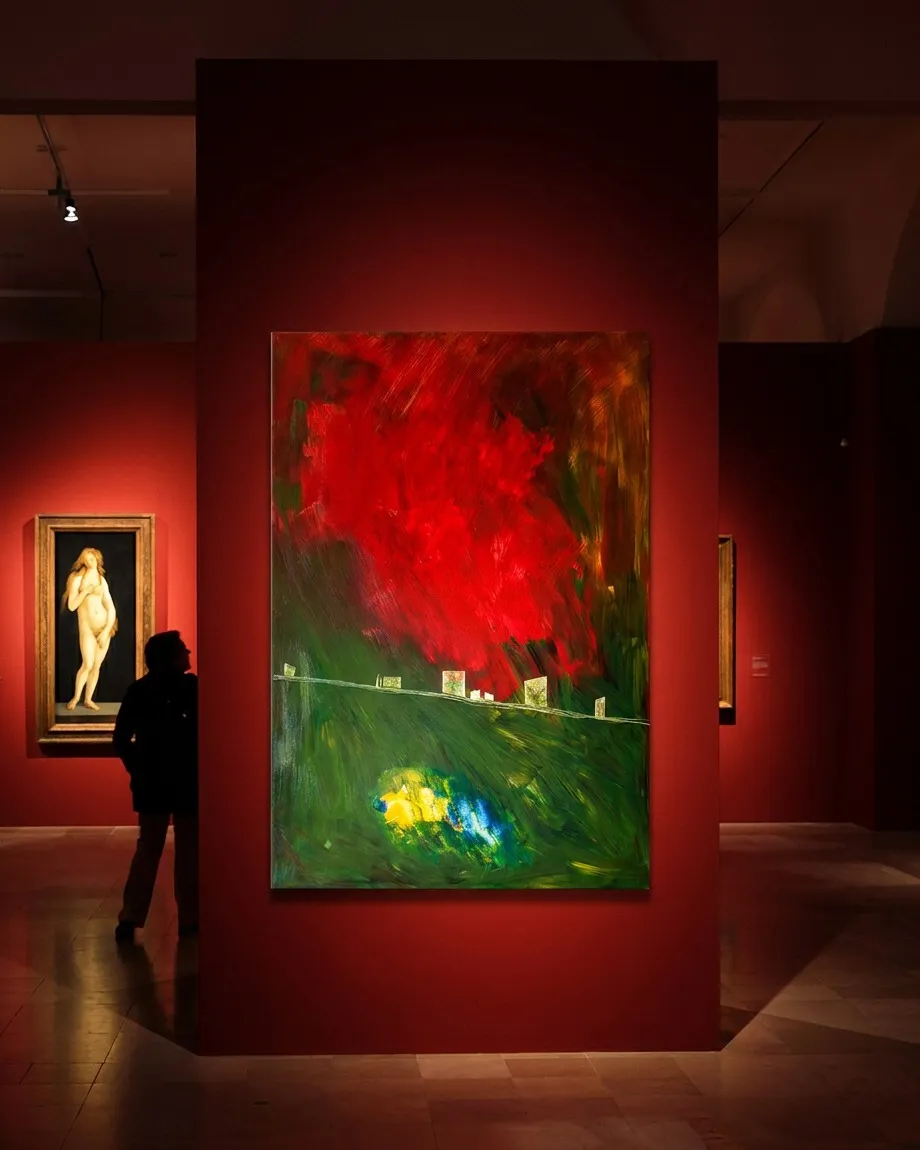
The dialectical tension intensifies in the contemplation of A Theory of Light and Shadows. Philo insists that the geometries floating above the line are eternal archetypes, pure ideas etched into matter as signs of a higher intelligence ordering chaos. Rama, with a compassionate smile, intervenes to warn him that an excess of names and conceptual categories suffocates the painting, reducing it to a mere theological treatise. The Eastern master suggests that these horizontal marks are like the scars left by the breath entering and leaving the body, moments of voluntary retention before total dissolution. In this collision of perspectives, both discover a shared truth: the canvas does not seek to represent a pre-existing being, but to constitute a trap of light designed so that whoever looks at it experiences the weight of their own absence.
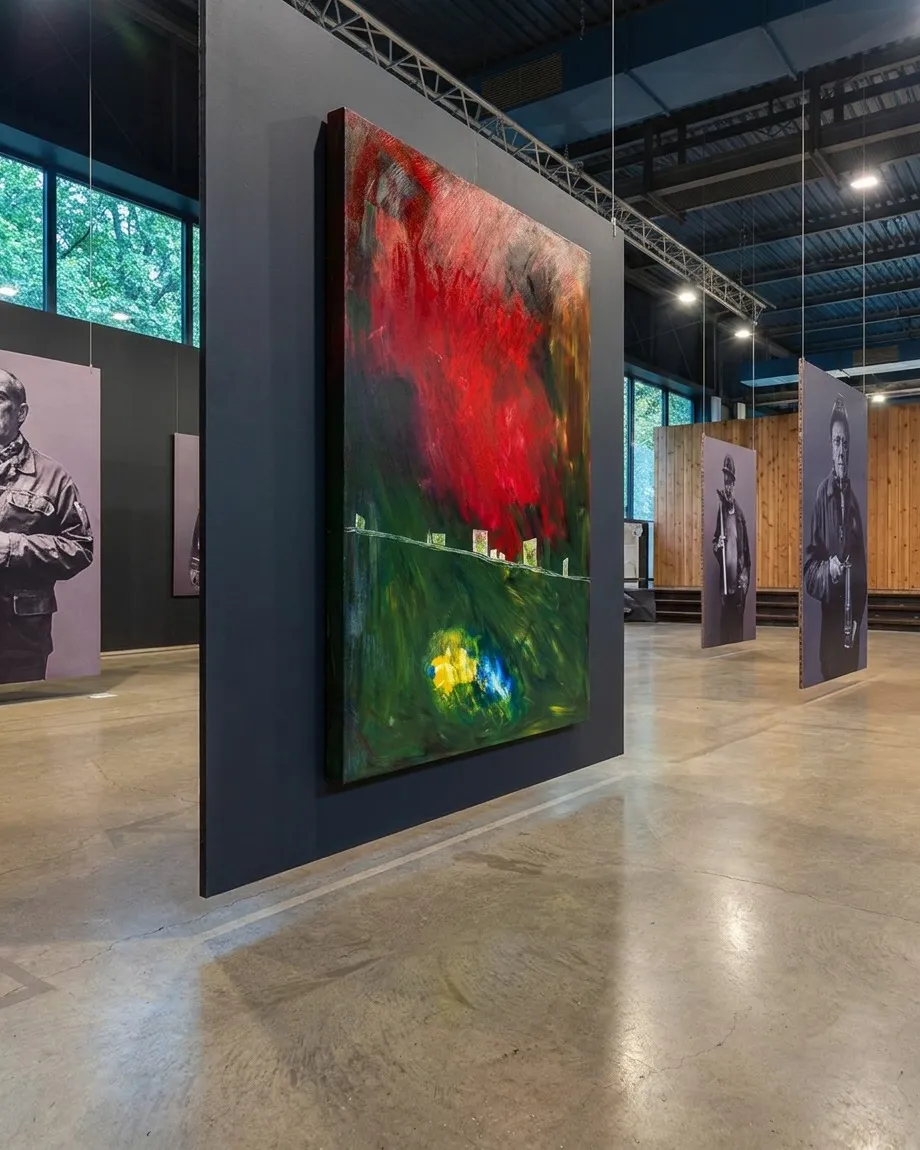
Confronting the finished canvas today, I experience a radical distance that overwhelms me. I feel that the work openly disobeys me, that it possesses a knowledge of my own finitude that I am incapable of formulating rationally. Titles like Clarice or any other label attempting to assign meaning to these horizons are nothing more than temporary disguises, masks with which I try to domesticate a mystery that refuses to be confined. This vulnerability before the creation is not a defeat, but a profound relief; understanding that what pulses at the base of the plane no longer belongs to me is the only way to allow the painting to continue its own course in the world.
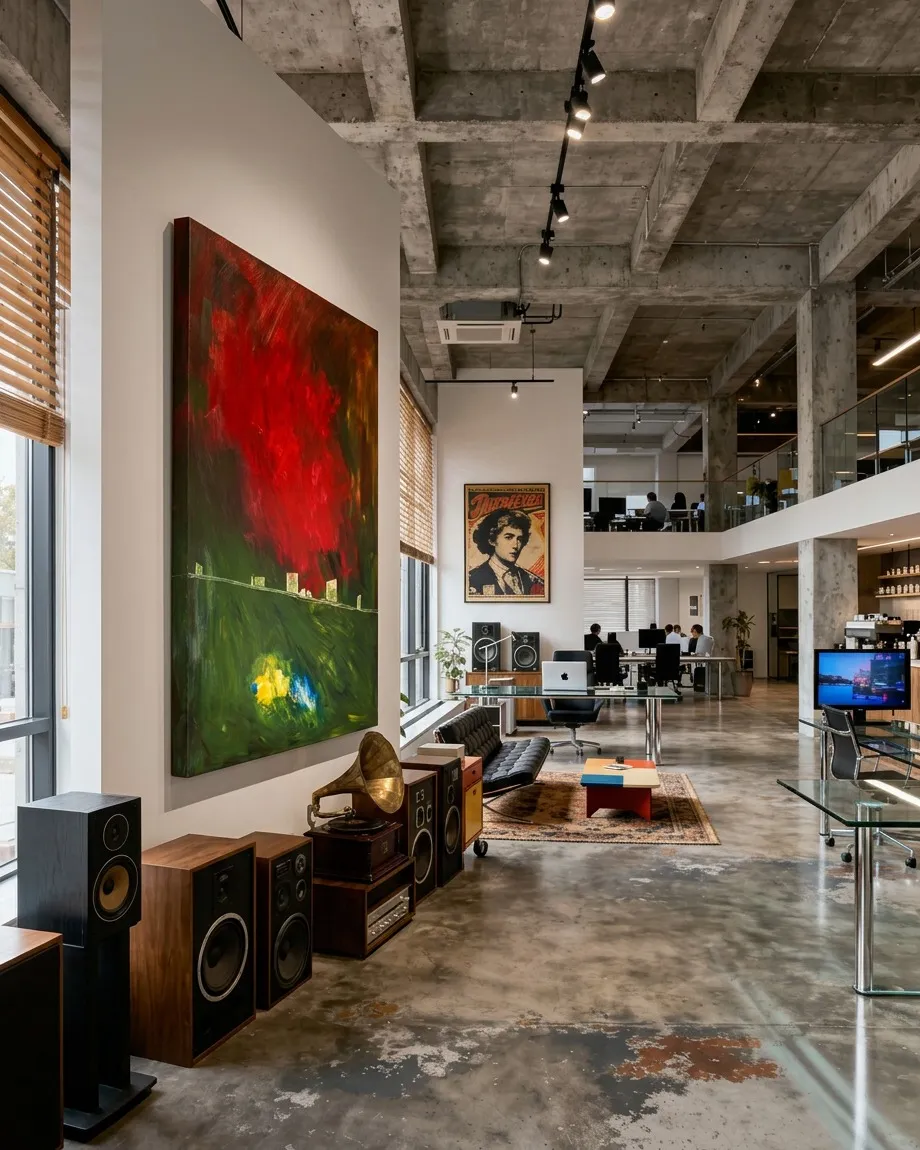
Finally, words and systems of thought withdraw from the room. Both the philosopher of Alexandria and the yogi of the Himalayas abandon their verbal dispute before the evidence of vibrant matter, recognizing that their conceptual scaffolding has foundered against the tide of the canvas. Valch’s painting remains there, suspended in a dimness that no longer demands translation or exegesis. What remains when we step away is a persistent vibration settling in the center of the chest, a physical resonance of silence that forces us to hold the only question that matters: what is it that survives in us when the gaze finally decides to accept its own shipwreck?